Hair fall in men is one of the most common concerns men face. Seeing extra hair on your pillow, in the shower drain, or on your comb can be worrying. While losing some hair every day is normal, excessive or persistent hair fall in men may indicate an underlying issue that needs attention.
The good news is that hair fall in men can often be managed by identifying the cause and following the right hair care and lifestyle habits.
In this guide, we’ll explore the common causes of hair fall in men and 10 practical solutions that can help reduce hair fall and support healthier hair growth.
Why Do Men Experience Hair Fall?
Hair fall in men can happen for many different reasons. Some men experience gradual thinning because of genetics, while others notice sudden shedding after stress, illness, nutritional deficiencies, or changes in their lifestyle.
Common causes of hair fall in men include:
- Genetic hair loss: Male pattern hair loss is one of the most common causes of gradual thinning in men.
- Stress: Stress can temporarily increase hair shedding and contribute to hair fall in men.
- Poor nutrition: Inadequate protein, iron, zinc, vitamin D, or other nutrients may contribute to hair problems.
- Hormonal changes: Hormonal factors can influence the hair growth cycle and may play a role in hair fall in men.
- Scalp conditions: Dandruff, inflammation, fungal infections, and other scalp problems can affect hair health.
- Certain medications or medical conditions: Some illnesses and medications can cause temporary or ongoing hair fall in men.
- Hair care practices: Frequent chemical treatments, excessive heat, or tight hairstyles can damage hair.
Because the cause matters, treating hair fall in men isn’t simply about finding a “hair fall shampoo.” The right approach depends on why your hair is falling out.
10 Solutions to Help Stop Hair Fall in Men
1. Eat a Protein Rich, Balanced Diet

Hair is largely made of a protein called keratin, so getting enough protein is important for maintaining healthy hair. A balanced diet can also help address nutritional factors associated with hair fall in men.
Include foods such as:
- Eggs
- Fish
- Chicken
- Milk and yogurt
- Lentils and beans
- Soy and other plant based protein sources
- Nuts and seeds
Also include plenty of vegetables, fruits, whole grains, and healthy fats in your diet.
If you suspect a nutritional deficiency, it’s better to speak with a healthcare professional rather than taking high dose supplements on your own. Identifying deficiencies can be an important step when dealing with hair fall in men.
2. Take Care of Your Scalp
A healthy scalp creates a better environment for healthy hair and may help support men experiencing hair fall in men.
Wash your hair regularly according to your scalp type and keep the scalp clean. If you have persistent dandruff, itching, redness, or excessive flaking, don’t ignore it.
Choose hair care products that suit your scalp and avoid using harsh products unnecessarily.
Remember: a clean scalp doesn’t automatically stop genetic hair loss, but good scalp care can help prevent additional problems caused by irritation or buildup.
3. Avoid Excessive Heat and Chemical Treatments
Frequent use of hair dryers at very high temperatures, straighteners, curling tools, bleaching, and harsh chemical treatments can weaken the hair shaft.
Try to:
- Use lower heat settings.
- Avoid unnecessary chemical treatments.
- Don’t pull or brush wet hair aggressively.
- Give your hair time to recover between treatments.
These habits may reduce breakage and help your existing hair look and feel healthier. They can also be useful for men looking to manage hair fall in men caused or worsened by hair damage.
4. Manage Stress

Stress doesn’t just affect your mood; it can also affect the hair growth cycle. Periods of significant physical or emotional stress can sometimes lead to increased hair shedding and contribute to temporary hair fall in men.
Try incorporating stress management habits into your routine, such as:
- Regular exercise
- Adequate sleep
- Meditation or breathing exercises
- Spending time outdoors
- Limiting excessive work related screen time
- Maintaining social connections
Managing stress may not reverse genetic male pattern hair loss, but it can be an important part of overall hair and health care for hair fall in men.
5. Get Enough Sleep

Your body performs many repair and recovery processes while you sleep. Consistently poor sleep can affect overall health and may contribute indirectly to problems associated with hair shedding.
Aim for a consistent sleep schedule and approximately 7–9 hours of sleep for most adults.
Good sleep, regular physical activity, and a balanced diet work together to support overall health; including healthy skin and hair, and can form part of a healthy routine for managing hair fall in men.
6. Don’t Ignore Dandruff and Scalp Problems

Dandruff is common, but persistent scalp problems deserve attention. Scalp irritation can sometimes make existing hair fall in men concerns more noticeable.
Excessive flaking, itching, redness, scaling, pain, or sores may indicate a scalp condition rather than ordinary dandruff.
Using an appropriate anti dandruff treatment may help when dandruff is the problem. However, if symptoms continue despite treatment, consider seeing a dermatologist.
Treating the scalp condition can improve scalp health, although it may not address genetic hair loss.
7. Be Gentle With Your Hair
Simple daily habits can make a difference in reducing unnecessary hair breakage and supporting men dealing with hair fall in men.
Avoid:
- Aggressive towel drying
- Pulling hair tightly
- Excessive brushing
- Constantly scratching the scalp
- Very tight hairstyles
- Frequent exposure to high heat
Use a gentle shampoo and handle your hair carefully, especially when it is wet.
8. Consider Evidence Based Hair Loss Treatments
If you’re experiencing male pattern hair loss, lifestyle changes alone may not be enough to control hair fall in men.
Evidence based treatments are available for certain types of hair loss. Depending on the diagnosis, a dermatologist may discuss options such as minoxidil or prescription treatments such as finasteride.
These treatments aren’t suitable for everyone and can have side effects or other considerations, so it’s important to discuss them with a qualified healthcare professional before starting treatment.
The earlier certain types of progressive hair loss are addressed, the more useful treatment can potentially be for hair fall in men.
9. Check for Underlying Health or Nutritional Problems
Sometimes hair fall in men is a symptom rather than the main problem. If hair shedding is sudden, excessive, or accompanied by other symptoms, a healthcare professional may consider whether factors such as:
- Iron deficiency
- Thyroid problems
- Nutritional deficiencies
- Recent illness
- Hormonal changes
- Certain medications
- Other medical conditions
could be contributing.
Don’t assume you need every vitamin or supplement advertised for hair growth. Testing and professional advice can help identify whether a deficiency actually exists.
Understanding the underlying cause can make managing hair fall in men more effective than simply trying multiple products.
10. See a Dermatologist if Hair Loss Continues
If your hair continues to thin despite improving your diet and hair care routine, professional evaluation is the most useful next step for persistent hair fall in men. A dermatologist can examine your scalp, identify the pattern of hair loss, discuss possible causes, and recommend appropriate treatment.
Seek medical advice sooner if you notice:
- Sudden or rapid hair loss
- Bald patches
- Significant scalp itching, redness, or pain
- Hair loss accompanied by other symptoms
- Loss of eyebrows or eyelashes
- Large amounts of hair falling out suddenly
Early evaluation can help distinguish temporary shedding from conditions that require specific treatment.
What About Hair Oil and Home Remedies?
Hair oils can make hair feel smoother and may reduce dryness or friction, but they should not be considered a guaranteed treatment for male pattern baldness or hair fall in men.
Similarly, popular home remedies such as onion juice or various DIY mixtures have limited evidence for treating common genetic hair loss.
Instead of relying on one “miracle” remedy, focus on the basics: identify the cause, maintain a balanced diet, care for your scalp, manage stress, and use evidence based treatments when appropriate.
How Long Does It Take to See Results?
Hair doesn’t grow overnight. Depending on the cause of hair fall in men and the treatment being used, noticeable improvement may take several months.
Consistency is important. Constantly switching between shampoos, oils, supplements, and treatments can make it difficult to determine what is actually helping.
Final Thoughts
Hair fall in men can be frustrating, but it doesn’t mean you have to ignore it or immediately assume you’re going bald.
The first step is understanding what is causing the hair loss. A healthy diet, good scalp care, adequate sleep, stress management, and gentle hair care habits can support overall hair health. For genetic or persistent hair fall in men, professional diagnosis and evidence based treatment may be necessary.
Most importantly, don’t wait too long if your hair fall in men is sudden, severe, or progressing quickly. The right treatment starts with identifying the right cause.
What’s Trending!
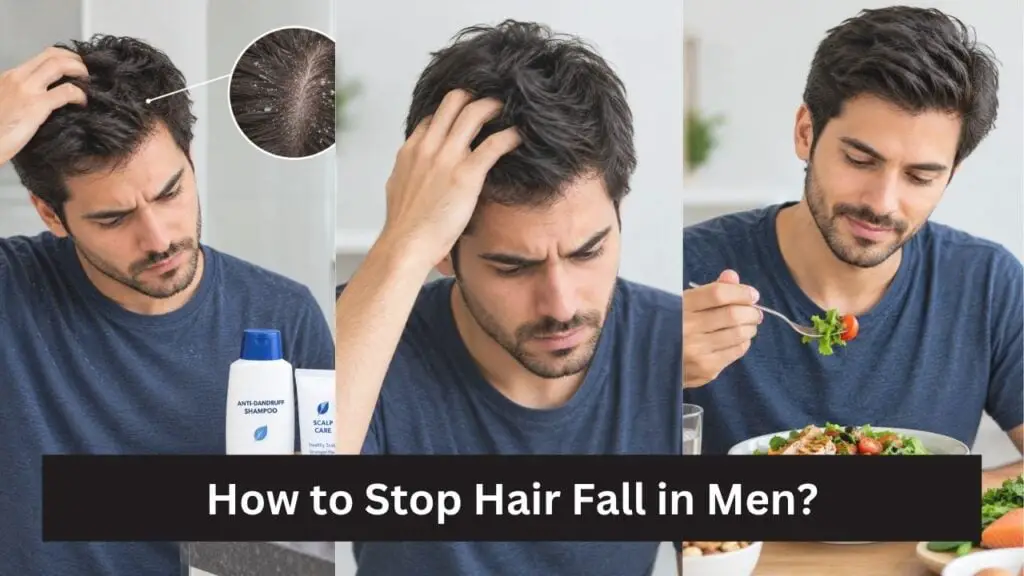
How to Stop Hair Fall in Men: 10 Practical Ways to Reduce Hair Loss and Support Hair Growth.

First Poster Unveils Ranbir Kapoor in Love & War: Ranbir Kapoor’s Rugged Air Force Look Sparks Massive Buzz.

From Australia to India: Ryan Williams Shines on India Debut: Meet the New No.10 Star.

15 European Flow Haircuts for Men That Make Short Fades for Men Look Boring.
15 Trending Bangs Hairstyle for Round Face to Look Slim for Men That Actually Work.