Vijay Deverakonda’s Wedding
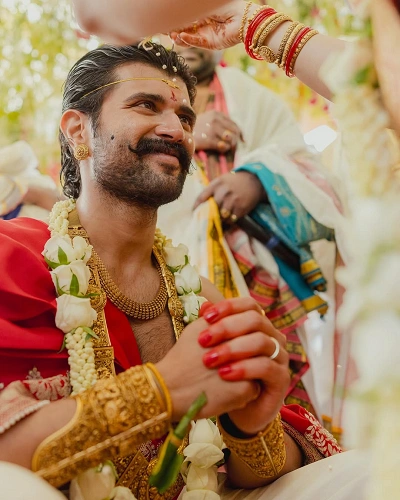
In the universe of Telugu cinema, few personalities embody charisma, individuality, and cultural rootedness as profoundly as Vijay Deverakonda. His wedding with Rashmika Mandanna was not merely a union of two individuals but a celebration of heritage, artistry, and narrative storytelling through fashion and ritual. Every element of his appearance; from his garments to his jewelry to his grooming, was carefully curated to convey power, lineage, and timeless elegance. This was not just a groom’s ensemble; it was a living tapestry of culture, ritual, and personal identity, designed to resonate through both visual and symbolic language.
Outfit Breakdown
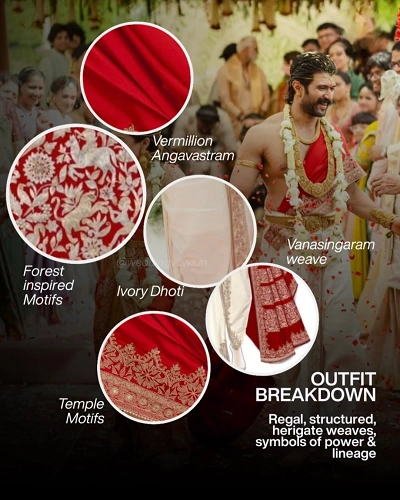
Vijay’s wedding attire was a masterclass in blending traditional Telugu aesthetics with contemporary fashion sensibilities, producing a look that is at once bold, regal, and timeless. Each garment carried symbolism, ritual significance, and historical reference, reflecting a deep understanding of what it means to dress a groom for both sacred and social occasions.
1. Vermillion Angavastram
The vermillion angavastram was the centerpiece of Vijay’s attire. Traditionally, the angavastram is a ceremonial silk shawl draped over the shoulders, often used in South Indian weddings to signify honor, auspiciousness, and sacred intent. Vermillion, in particular, carries profound cultural weight: it is a color associated with energy, vitality, prosperity, and marital bliss.
Vijay Deverakonda’s angavastram was not merely a block of color; it was adorned with intricate motifs inspired by forest flora and temple architecture, symbolizing a deep connection to nature, fertility, and ancestral heritage. Its structured drape added regal symmetry, making it appear almost like a ceremonial mantle or robe befitting a prince. In essence, the angavastram was both ornamental and narrative, signaling not just his role as groom but as a bearer of lineage and tradition.
2. Forest Inspired Motifs
The embroidery of forest inspired motifs added a layer of storytelling to Vijay’s outfit. These motifs represented:
- Rootedness: symbolizing his connection to family, community, and cultural roots.
- Growth and Renewal: reflecting life, fertility, and the continuous renewal of traditions through marriage.
- Continuity of Heritage: linking the groom to centuries of Telugu cultural practice and symbolism.
These motifs were not decorative for decoration’s sake, they created a visual narrative that intertwined ritual, nature, and personal identity, elevating the ensemble from attire to storytelling medium.
3. Ivory Dhoti
Beneath the angavastram, Vijay Deverakonda wore a luxurious ivory silk dhoti, a garment central to Telugu wedding rituals. The ivory color signifies purity, serenity, and auspicious beginnings, serving as a neutral canvas for the more ornate elements of the outfit.
The dhoti’s soft yet structured pleats ensured fluid movement while maintaining ceremonial formality, balancing the visual weight of the angavastram and jewelry. Its simplicity allowed the motifs and textures of his upper attire to shine, creating a harmonious ensemble rooted in timeless tradition.
4. Vanasingaram Weave
Adding depth and gravitas to the outfit was the Vanasingaram weave, a heritage textile celebrated for its complex patterns, richness, and cultural resonance. Originating in South India, this weave is renowned for merging artisanal craftsmanship with luxury, making it perfect for a wedding look that honors both tradition and personal style.
The Vanasingaram weave symbolized lineage and continuity, connecting Vijay Deverakonda to centuries of textile artistry while reinforcing the idea of marriage as a bridge between past and present.
5. Temple Motifs
Finally, the temple motifs embroidered on his ensemble paid homage to South Indian temple architecture. These intricate patterns symbolized:
- Spiritual Sanctity: elevating the attire into a sacred expression.
- Protection: serving as talismanic symbols warding off negative energy.
- Cultural Continuity: grounding the groom in ancestral artistry and architectural heritage.
By integrating temple motifs into his garments, Vijay Deverakonda’s outfit transformed into a wearable cultural artifact, connecting him to ritual, lineage, and sacred storytelling.
Look Breakdown
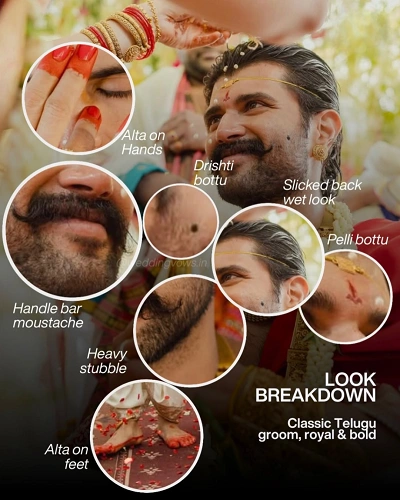
Vijay Deverakonda’s grooming choices complemented his attire perfectly. Every element, from moustache, hairstyle to feet, was carefully considered, blending ritual, masculinity, and contemporary aesthetics. Together, they transformed him into a groom who embodied authority, heritage, and ceremonial grace.
1. Handlebar Moustache
A sculpted handlebar moustache conveyed authority, confidence, and regal bearing, evoking the classical imagery of Telugu warriors and kings. It was a conscious choice to project maturity, strength, and heritage. The style reinforced his facial structure, creating a visual anchor that complemented the ceremonial grandeur of his attire. Beyond aesthetics, it symbolized masculine power, honor, and the groom’s readiness to uphold family and cultural responsibilities.
Also Read: Beard Styles for Men
2. Alta on Hands
Applying alta (a ceremonial red dye) to the hands was a bold reinterpretation of tradition. Typically associated with brides, its presence on Vijay Deverakonda symbolized full engagement in the ritual, marking his hands as instruments of sacred acts during the wedding. The red hue also signified auspicious energy, protection, and the sanctity of marital vows. It transformed each gesture into an active participation in sacred rites, visually expressing devotion and ritual intent.
3. Drishti Bottu
A small black dot, or drishti bottu, on his forehead served as protection from the evil eye, reflecting the spiritual precautions integral to traditional ceremonies. Its subtle presence acted as a guardian symbol, balancing the ornate opulence of his outfit with spiritual mindfulness. The mark emphasized the groom’s awareness of ritual sanctity and his respect for ancestral beliefs, ensuring both protection and auspiciousness.
4. Heavy Stubble
Heavy stubble added modern edge and rugged sophistication, contrasting elegantly with the ornate, ceremonial ensemble. It introduced a contemporary masculine aesthetic, balancing tradition with individuality. The stubble also highlighted maturity, strength, and a subtle sense of rebellion, suggesting that ritual grandeur and personal style can coexist harmoniously.
5. Slicked Back Wet Hairstyle
A contemporary styling choice, the slicked back look projected control, polish, and modern sensibility, without undermining the traditional aesthetic. It framed his face sharply, complementing his jewelry and ceremonial markings. Beyond style, it symbolized discipline and composure, reflecting the groom’s readiness to enter marriage with both confidence and poise.
Also Read: Slick Back Haircuts for Men
6. Pelli Bottu
The pelli bottu is a marital mark applied on the forehead to signify the groom’s new status. Positioned centrally, it harmonized with his jewelry, facial hair, and garments, completing the ceremonial look. The mark also represented transition and commitment, marking the groom’s entrance into a sacred bond. It served as a visual reminder of responsibility, devotion, and the sacredness of the marital journey.
7. Alta on Feet
Mirroring the hands, alta on the feet emphasized ritual grounding, creating a visual and symbolic symmetry, signaling readiness and connection to sacred tradition. It transformed even movement into an extension of ceremonial practice, linking each step to auspicious energy. The dyed feet symbolized humility and rootedness, showing that even as he stood in regal attire, he remained connected to tradition, earth, and sacred ritual.
Jewelry Breakdown
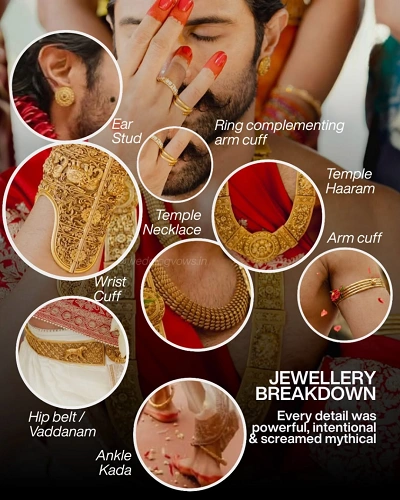
Vijay Deverakonda’s jewelry was designed not merely for ornamentation but for storytelling, each piece reflecting heritage, strength, and sacred symbolism. Every element was intentional, merging traditional South Indian motifs with modern regal aesthetics.
1. Ear Studs
Gold ear studs offered subtle grounding to his facial features, balancing the ensemble while maintaining a sense of classical restraint. They framed his face elegantly, drawing attention to his expressions and ceremonial markings. Beyond aesthetics, they symbolized hearing and awareness, a reminder that a groom enters marriage with mindfulness and receptivity.
2. Ring Complementing Arm Cuff
The ring and arm cuff formed a matched set, creating visual harmony and a sense of ceremonial armor, symbolizing strength and protection. The designs echoed temple carvings, reinforcing the sacred nature of his attire. Together, they suggested unity between action (hands) and will (arms), highlighting his readiness to embrace responsibility and lineage.
3. Temple Haaram
A long, sacred necklace featuring temple inspired design, the haaram conveyed divine protection and ancestral blessing, blending spiritual symbolism with royal aesthetics. Its length and weight created a sense of grandeur and ceremonial gravity, marking him as a figure of reverence. The motifs woven into the necklace represented cosmic order and dharmic values, linking the groom to both spiritual and cultural heritage.
4. Temple Necklace
Layered over the haaram, this necklace reinforced lineage, divinity, and cultural resonance, echoing the sculpted temple jewelry of South Indian royalty. Its intricate craftsmanship added depth and texture to the ensemble, emphasizing the luxury of tradition. The necklace also served as a symbol of continuity, connecting the wearer to ancestral kings and sacred rituals across generations.
5. Arm Cuff
The arm cuff evoked ancient warrior aesthetics, symbolizing authority, readiness, and the groom’s ceremonial strength. Its bold design drew the eye to his posture and gestures, underscoring his presence in every ritual. Historically, arm cuffs were worn as protective talismans, signaling the groom’s preparedness to uphold family honor and spiritual duties.
6. Wrist Cuff
Complementing the arm cuff, wrist adornments added rhythm to gestures and ceremonial movements, reinforcing the ritual narrative embedded in the outfit. They emphasized motion and intent, turning each hand gesture into a visual statement of grace and authority. The cuffs also symbolized discipline and strength, reflecting the groom’s commitment to his new responsibilities.
7. Hip Belt / Vaddanam
The vaddanam or waist belt functioned as both decorative and symbolic armor, emphasizing stature, readiness, and royal poise. Its intricate designs mirrored temple motifs, reinforcing sacred and cultural continuity. Beyond aesthetics, it represented anchoring and support, as if securing the groom’s presence physically and spiritually during the sacred rituals.
8. Ankle Kada
A subtle yet striking detail, the ankle kada highlighted ritual completeness, grounding the wearer in both physical presence and spiritual intention. Its placement at the base of the body emphasized stability, rootedness, and connection to the earth, essential in wedding symbolism. Each step taken while wearing it became a deliberate act of balance and devotion, linking movement to sacred ritual.
Final Thoughts
Vijay Deverakonda’s wedding look was more than fashion; it was a carefully orchestrated cultural statement. Every element; from the vermillion angavastram to temple motifs, from alta on his hands and feet to the layered temple jewelry; was deliberate, reflecting heritage, ritual significance, and personal identity. His grooming choices, including the handlebar moustache, stubble, and slicked back hair, struck a delicate balance between modern sensibility and classical grandeur.
This ensemble was a masterclass in storytelling through attire. It celebrated Telugu culture, ancestral lineage, sacred symbolism, and masculine elegance, all while remaining contemporary and bold. Vijay Deverakonda did not merely wear clothing; he embodied tradition, power, and timeless style; setting a benchmark for modern grooms who wish to honor their heritage while making a personal statement.
In every fold of silk, every engraved motif, and every carefully placed ornament, there was intention, reverence, and narrative depth. The result was a groom who was not just seen but felt as a living embodiment of culture, ritual, and bold timelessness.
What’s Trending!
Vijay Deverakonda’s Wedding Look Breakdown: A Regal Tapestry of Heritage, Symbolism, and Power.
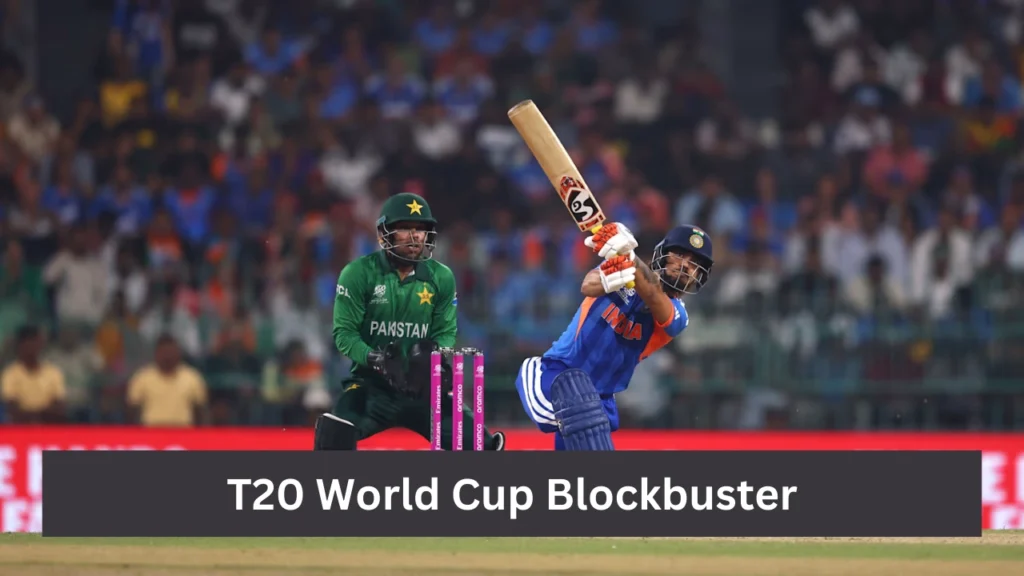
India Crush Pakistan by 61 Runs in T20 World Cup Blockbuster, Storm into Super 8s.
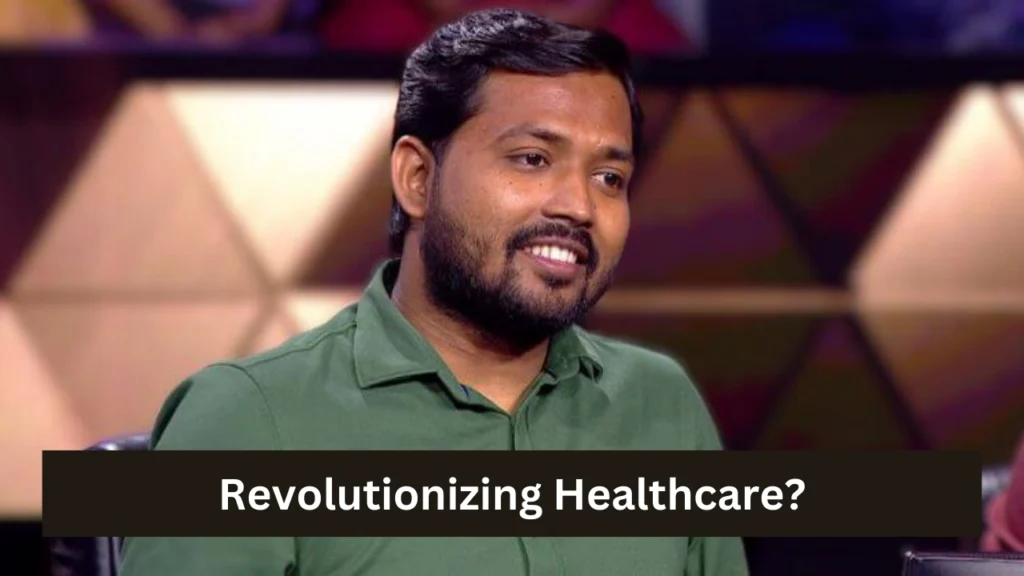
Khan Sir Opens Affordable Hospital in Patna: Revolutionizing Healthcare or Raising New Questions?
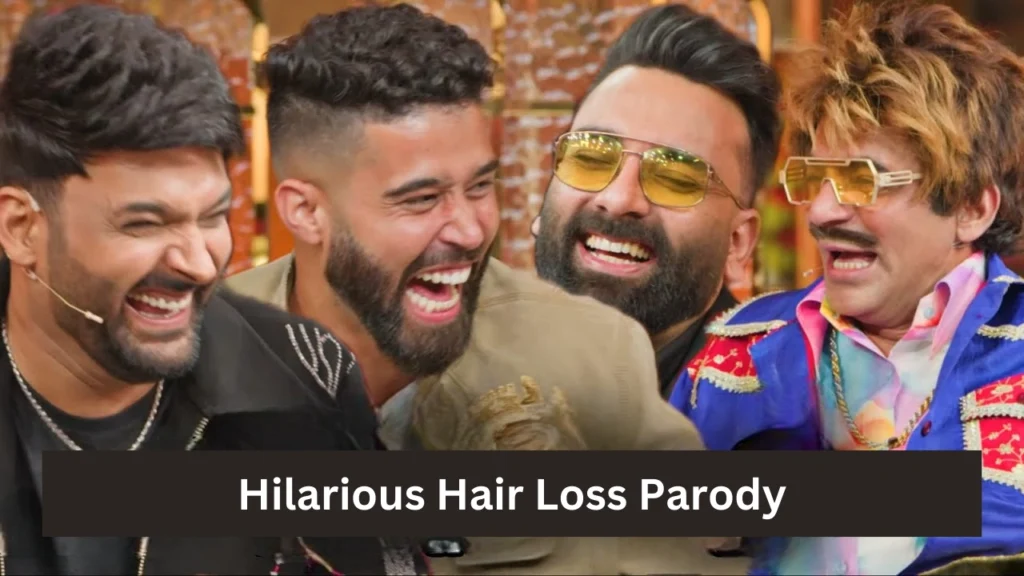
Sunil Grover’s Hilarious Hair Loss Parody Turns Men’s Biggest Insecurity into Comedy Gold on Kapil’s Episode 8.
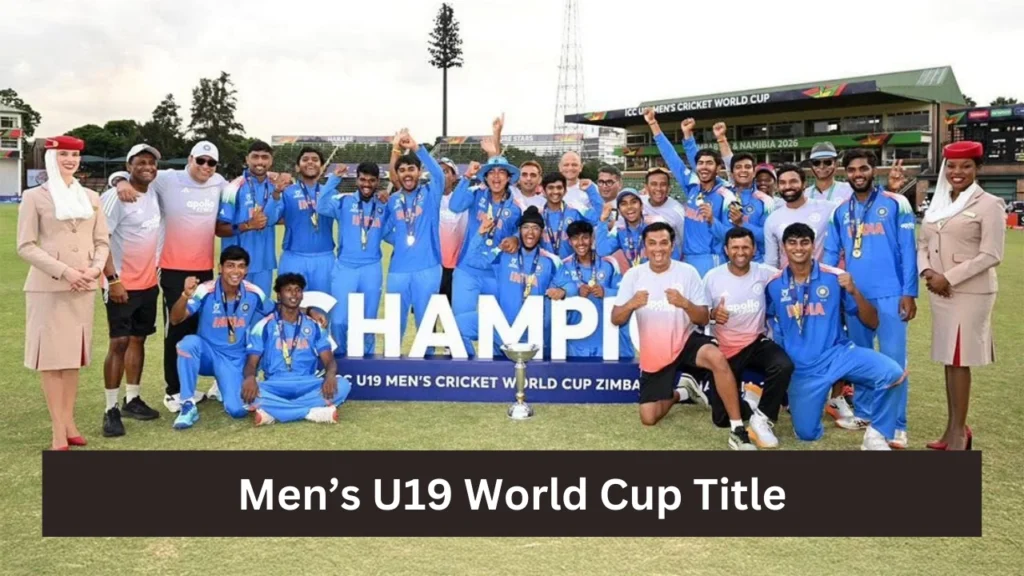
Vaibhav Sooryavanshi’s Once in a Generation Heroics Hand India a Record 6th ICC Men’s U19 World Cup Title.