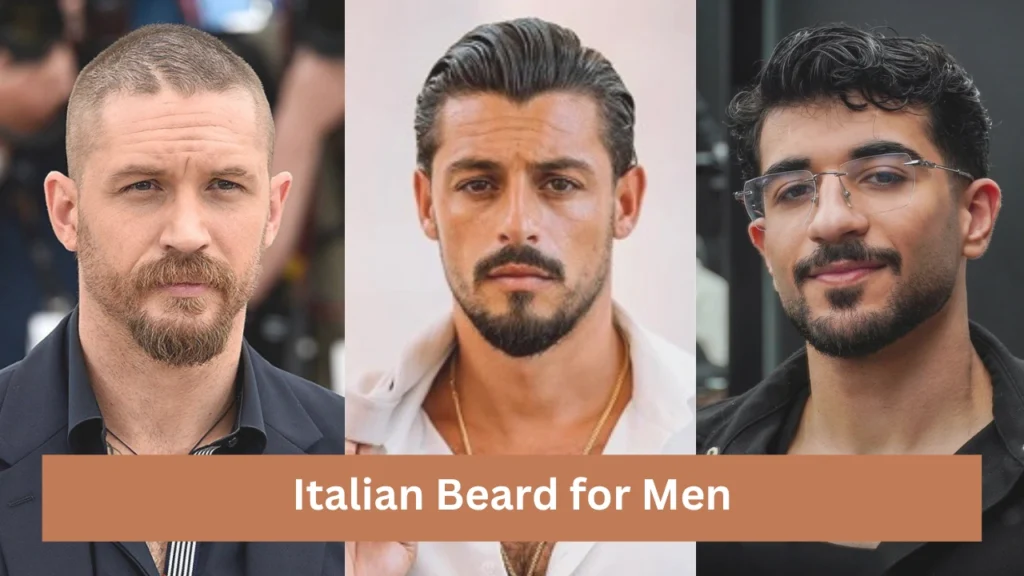
Van Dyke Beard for Men
A man’s facial hair is more than just strands of hair on the face; it is a form of self-expression, a symbol of personality, and, in many ways, an emblem of masculinity. Among the countless styles that have graced the face of men through history, one stands out for its elegance, sophistication, and versatility: the Van Dyke beard.
Named after the 17th-century Flemish painter Anthony van Dyck, whose portraits immortalized European nobility with their sharp, distinguished Van Dyke beards, this style has endured centuries as a mark of refinement. Unlike full beards that convey ruggedness or stubble that signals casual charm, the Van Dyke beard strikes a perfect balance between sophistication and individuality.
This article is your ultimate guide to understanding, cultivating, and mastering the Van Dyke beard; a style that is as much about character as it is about aesthetics.
What Exactly is a Van Dyke Beard?
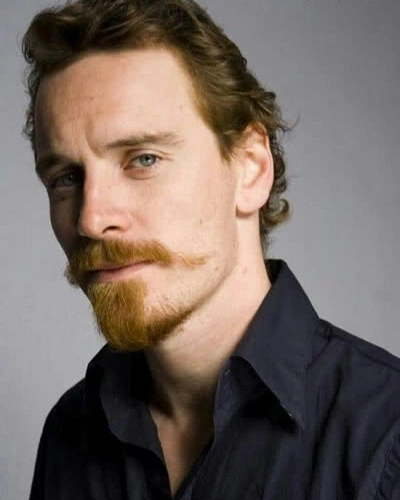
The Van Dyke beard is a carefully sculpted style that combines a goatee with a mustache. What makes it distinctive is that the mustache is usually disconnected from the chin beard, creating a visual separation that highlights the structure of the face.
Defining Features of a Van Dyke Beard:
- Goatee on the Chin: Often pointed or slightly rounded, the goatee is the centerpiece of the Van Dyke.
- Disconnected Mustache: Separated from the chin hair, it can be styled in various ways; straight, curled, or subtly tapered.
- Shaved Cheeks: The clean, bare cheeks enhance the sharpness and sophistication of the beard.
- Precise Lines: The style relies on meticulous grooming, sharp edges, and symmetry.
In essence, the Van Dyke beard is a statement of deliberate style; it’s not just worn, it’s cultivated.
Historical Legacy of the Van Dyke Beard
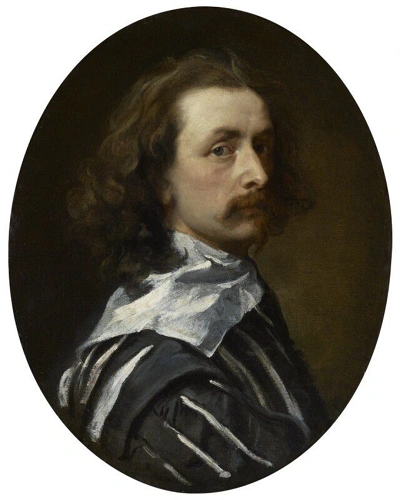
The Van Dyke beard has its roots in the 17th century, when Anthony van Dyck, a Flemish painter, popularized the look in Europe. Van Dyck’s self-portraits often showcased this elegantly trimmed beard, and through his influence, the style became associated with nobility, sophistication, and refinement.
Across Europe, men of power; aristocrats, statesmen, and intellectuals, adopted the Van Dyke beard as a symbol of status. Unlike the rugged full beards of medieval warriors, the Van Dyke conveyed thoughtfulness, refinement, and confidence. It was a beard for the thinker, the artist, the man who wanted to be noticed not just for his presence but for his poise and sophistication.
Through the centuries, the Van Dyke beard has waxed and waned in popularity but has never truly gone out of fashion. Today, it remains a go-to style for men who want a balance of history, elegance, and contemporary flair.
Why Every Man Should Consider a Van Dyke Beard?
Choosing the Van Dyke beard is more than following a trend; it’s embracing a statement of style and identity. Here’s why it remains timeless:
- Refined Sophistication: The Van Dyke beard has an air of class that few other styles can match.
- Facial Structure Enhancement: Its shape accentuates the jawline, elongates the chin, and balances facial proportions.
- Versatile Appeal: Whether for a formal event, a professional setting, or a casual night out, it adapts seamlessly.
- Moderate Maintenance: While precision is required, it is less demanding than a full beard and allows for quick touch-ups.
- Expression of Personality: A Van Dyke is a deliberate choice, signaling confidence, style awareness, and individuality.
Types of Van Dyke Beard for Men
The Van Dyke beard is versatile, allowing men to express individuality while maintaining elegance. Over time, several variations have emerged, each suited to different face shapes, hair types, and personal styles. Understanding these types helps you choose a version that complements your personality and enhances your appearance.
1. Classic Van Dyke
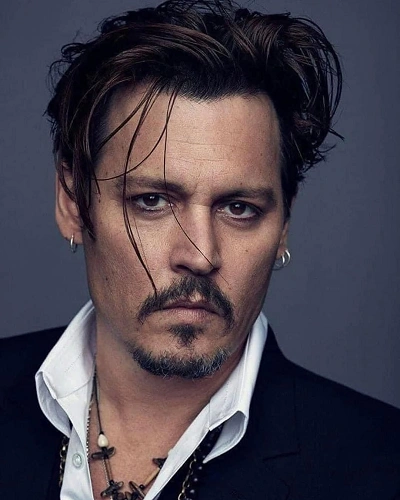
The quintessential Van Dyke features a pointed goatee on the chin with a disconnected mustache. The cheeks are clean-shaven, and the lines are sharp.
Who it suits:
- Men with oval or square faces.
- Those seeking a timeless, elegant look.
Styling Tips:
- Keep the goatee neatly trimmed and pointed.
- Use wax for a subtle curl or a straight finish on the mustache.
- Maintain sharp edges for a polished look.
2. Full Goatee Van Dyke
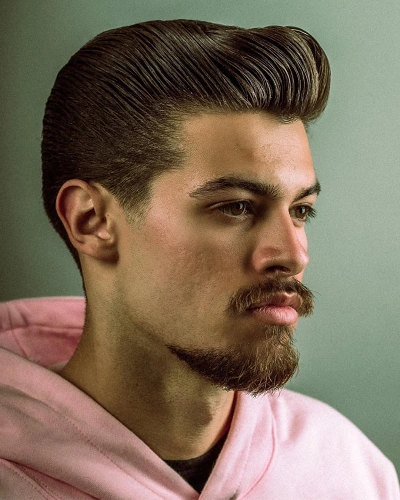
A fuller, rounded goatee extends slightly wider on the chin, giving a bolder presence while still paired with a disconnected mustache.
Who it suits:
- Men with longer faces seeking to add weight to the chin.
- Those wanting a slightly more masculine or mature vibe.
Styling Tips:
- Trim the goatee evenly and keep the edges defined.
- Ensure the mustache doesn’t blend into the chin hair.
3. Handlebar Mustache Van Dyke
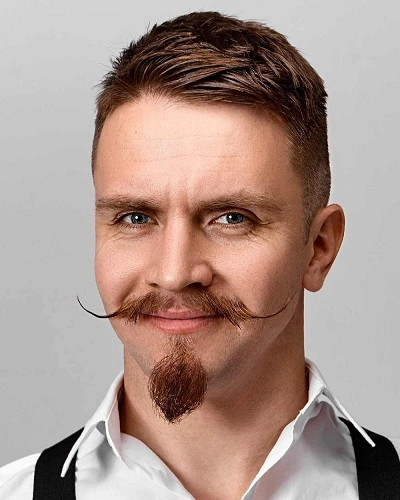
This variation pairs a pointed goatee with a dramatic, curled handlebar mustache. It is bold and attention-grabbing, perfect for those who want a statement look.
Who it suits:
- Men with strong jawlines or angular faces.
- Individuals who enjoy vintage, artistic, or flamboyant style.
Styling Tips:
- Use mustache wax to shape and curl the ends.
- Keep the chin hair precise to balance the dramatic mustache.
4. Extended Van Dyke
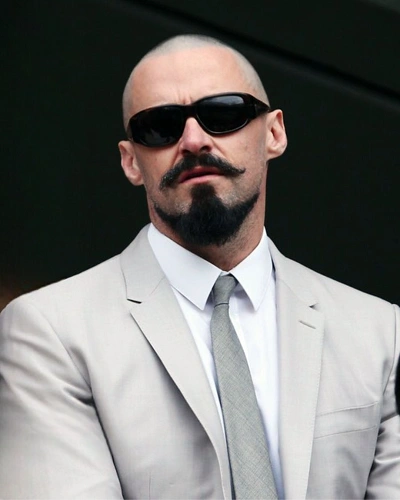
An extended Van Dyke incorporates a thin line of hair along the jawline connecting subtly to the goatee while keeping the cheeks clean. It merges classic elegance with modern trends.
Who it suits:
- Men who want a contemporary twist on a historical style.
- Those with square or triangular face shapes.
Styling Tips:
- Maintain the jawline connection thin and clean.
- Regularly trim the goatee and mustache for symmetry.
5. Modern Minimalist Van Dyke
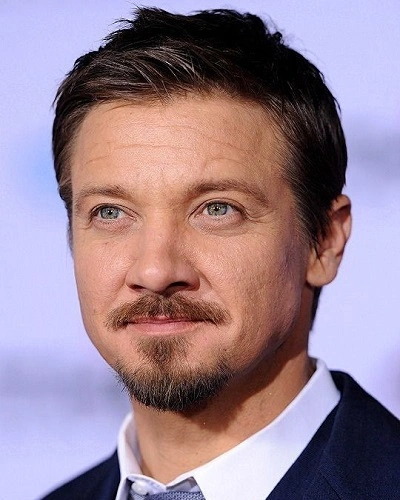
A refined, understated version of the Van Dyke with a small, neat goatee and thin mustache. The overall effect is subtle yet sophisticated.
Who it suits:
- Professionals who want a clean, stylish look.
- Men who prefer low-maintenance facial hair.
Styling Tips:
- Trim frequently to retain shape.
- Focus on precision and neat edges rather than volume.
6. Pointed Chin Van Dyke

Emphasizes a sharply pointed chin beard paired with a mustache that may be slightly narrower or tapered. The look is sharp, edgy, and confident.
Who it suits:
- Men with round or oval faces wanting a defined chin.
- Those looking to create a sophisticated, intellectual appearance.
Styling Tips:
- Keep the point precise and angled.
- Mustache should complement the chin without overwhelming it.
7. Curly Mustache Van Dyke
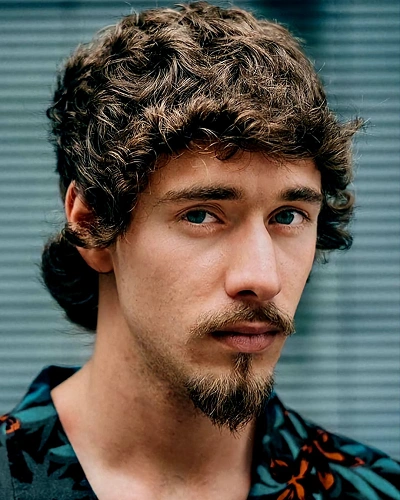
A playful and artistic variation where the mustache is styled in soft curls while maintaining a classic or pointed goatee.
Who it suits:
- Creative, bold personalities who enjoy vintage or artistic aesthetics.
- Men wanting to stand out in casual or semi-formal settings.
Styling Tips:
- Use a high-quality wax for curls.
- Trim the goatee regularly to maintain balance with the expressive mustache.
Quick Comparison Table of Van Dyke Types
| Type | Goatee Style | Mustache Style | Ideal Face Shape | Vibe |
|---|---|---|---|---|
| Classic Van Dyke | Pointed | Disconnected, straight | Oval, Square | Timeless, Elegant |
| Full Goatee | Rounded, fuller | Disconnected | Long, Oval | Bold, Masculine |
| Handlebar Mustache | Pointed | Dramatic curl | Angular, Square | Artistic, Vintage |
| Extended Van Dyke | Slight jawline connection | Disconnected | Square, Triangular | Modern, Stylish |
| Minimalist | Small, neat | Thin | Oval, Professional | Subtle, Sophisticated |
| Pointed Chin | Sharp point | Narrow, tapered | Round, Oval | Confident, Intellectual |
| Curly Mustache | Classic or pointed | Soft curls | Oval, Creative | Playful, Artistic |
Face Shapes That Shine with a Van Dyke Beard
The Van Dyke beard is versatile, but understanding your face shape ensures it enhances your features rather than conflicts with them.
- Oval Faces: The ideal face shape; almost any style works, and a Van Dyke adds elegance.
- Square Faces: The pointed chin softens strong angles while emphasizing a masculine jawline.
- Round Faces: It elongates the face, creating a leaner, sharper appearance.
- Triangular Faces: Adds prominence to the chin, balancing facial proportions.
- Heart-Shaped Faces: Draws attention to the lower face, complementing a narrow jawline.
Growing a Van Dyke Beard: The Step-by-Step Guide
Cultivating a Van Dyke beard is a deliberate process that requires patience and care:
Step 1: Let It Grow
Begin by growing your facial hair for at least 4–6 weeks, allowing the chin and mustache hair to fully develop. Resist the urge to trim too early.
Step 2: Define the Shape
Using a precision trimmer or razor, shape the goatee to your preferred style; pointed, rounded, or slightly elongated. Keep the cheeks and jawline clean.
Step 3: Style the Mustache
The mustache can be straight, slightly curled, or waxed for a more dramatic effect. The key is to maintain separation from the chin beard.
Step 4: Maintain Clean Lines
Use a razor or trimmer to sharpen edges. Precision defines the Van Dyke; it’s not forgiving of uneven growth.
Step 5: Groom Regularly
Trim every 1–2 weeks to maintain symmetry. Wash, condition, and apply beard oil to keep the hair soft and the skin healthy.
Van Dyke Beard Variations to Explore
The beauty of the Van Dyke beard is its adaptability. Here are some popular variations:
- Classic Van Dyke: Pointed goatee with a straight, disconnected mustache.
- Full Goatee Van Dyke: Slightly fuller chin beard for a more robust look.
- Handlebar Mustache Van Dyke: Dramatic curled mustache paired with a goatee.
- Extended Van Dyke: A thin line along the jaw adds modern flair while retaining classic elegance.
- Modern Minimalist Van Dyke: Shorter, subtle goatee with a fine mustache for understated sophistication.
Grooming Secrets for a Perfect Van Dyke Beard
- Precision Tools: Invest in high-quality trimmers and razors.
- Hydration & Care: Beard oils and balms prevent dryness and irritation.
- Regular Washing: Keep the beard clean and free from debris.
- Professional Shaping: A barber can provide the initial template for easier home maintenance.
- Consistency is Key: The Van Dyke is all about discipline; neglecting it diminishes its impact.
Fashion & Lifestyle Pairings
The Van Dyke beard pairs beautifully with:
- Suits & Blazers: Elevates professional and formal appearances.
- Smart Casual Attire: Shirts, chinos, and jackets harmonize with the refined beard.
- Accessories: Watches, cufflinks, and subtle rings enhance the style without overwhelming it.
- Hairstyles: Short, textured hair or slicked-back styles complement the Van Dyke’s sophistication.
Psychological Impact of the Van Dyke Beard
Facial hair does more than enhance physical appearance; it affects perception. A Van Dyke beard conveys:
- Confidence: The deliberate styling signals self-assurance.
- Intelligence: Historically linked to thinkers and artists, it subtly suggests intellect.
- Individuality: The distinct shape sets a man apart in social and professional settings.
- Elegance: Meticulously groomed lines convey refinement and attention to detail.
Common Pitfalls to Avoid
- Uneven Growth: Symmetry is crucial.
- Neglecting Skin Care: Razor burns or irritation can detract from the polished look.
- Overgrowth: An untamed Van Dyke loses its elegance.
- Mismatch with Face Shape: A careful assessment ensures the beard complements your features.
Modern Relevance of the Van Dyke Beard
In today’s era of self-expression, the Van Dyke beard has found new life. From Hollywood actors and fashion icons to influencers and professionals, it signifies elegance and individual style. Unlike trends that fade, the Van Dyke endures as a versatile choice for men who value history, aesthetics, and personal identity.
Final Thoughts
The Van Dyke beard is not just a style; it is a philosophy of grooming, a nod to history, and a modern symbol of confidence. It speaks of a man who pays attention to detail, embraces his individuality, and projects sophistication effortlessly.
For men seeking a facial hairstyle that combines timeless elegance with contemporary flair, the Van Dyke beard is unparalleled. Sharp, refined, and unmistakably distinguished, it transforms a man’s face into a canvas of character, charm, and confidence.
Embrace the Van Dyke beard, and you’re not just growing facial hair; you’re cultivating a legacy.
FAQs: Van Dyke Beard for Men
1. Is a Van Dyke beard attractive?
Yes, The Van Dyke beard is considered attractive because it highlights the jawline, elongates the chin, and adds sophistication to a man’s appearance. Its clean lines and deliberate styling give a polished, confident look.
2. What face shape suits a Van Dyke beard?
The Van Dyke beard works best on oval, square, and triangular faces. It helps define the jawline, balance facial proportions, and elongate the face, making it flattering for most men.
3. Is a Van Dyke beard hard to grow?
It depends on your facial hair growth. The Van Dyke requires a well-developed goatee and mustache, and maintaining sharp lines demands precision. Men with patchy growth may need more time or professional shaping.
4. How do I maintain a Van Dyke beard?
Regular trimming, precise shaping, and proper grooming with beard oil or balm are essential. Shaving the cheeks and keeping the lines clean ensures the style remains sharp and sophisticated.
5. Can I style my Van Dyke beard differently?
Absolutely, There are several variations: classic, full goatee, handlebar mustache, extended, minimalist, and curly mustache. Each allows you to tailor the look to your face shape and personality.
What’s Trending!
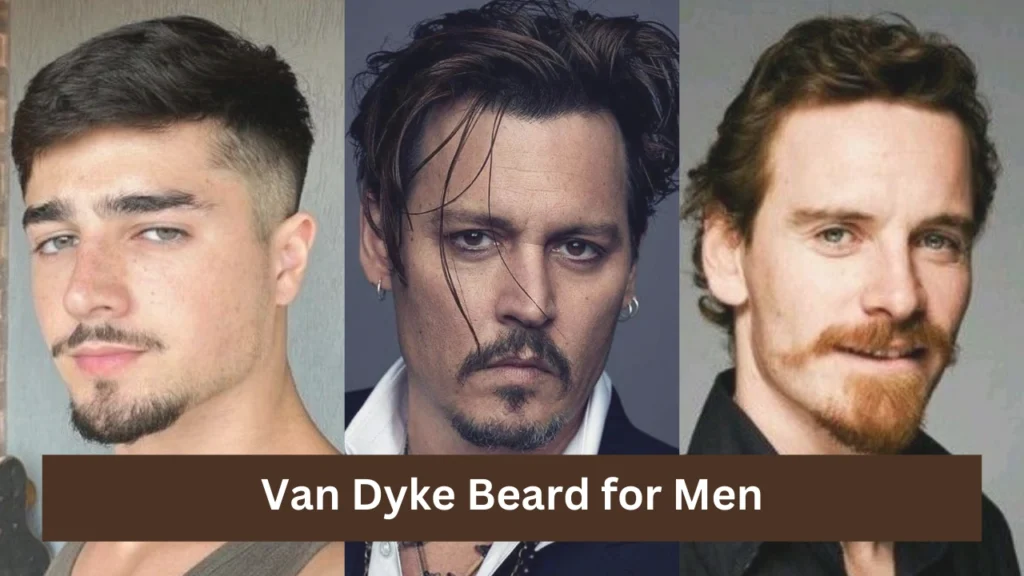
7 Stunning Van Dyke Beard for Men Should Try in 2026.
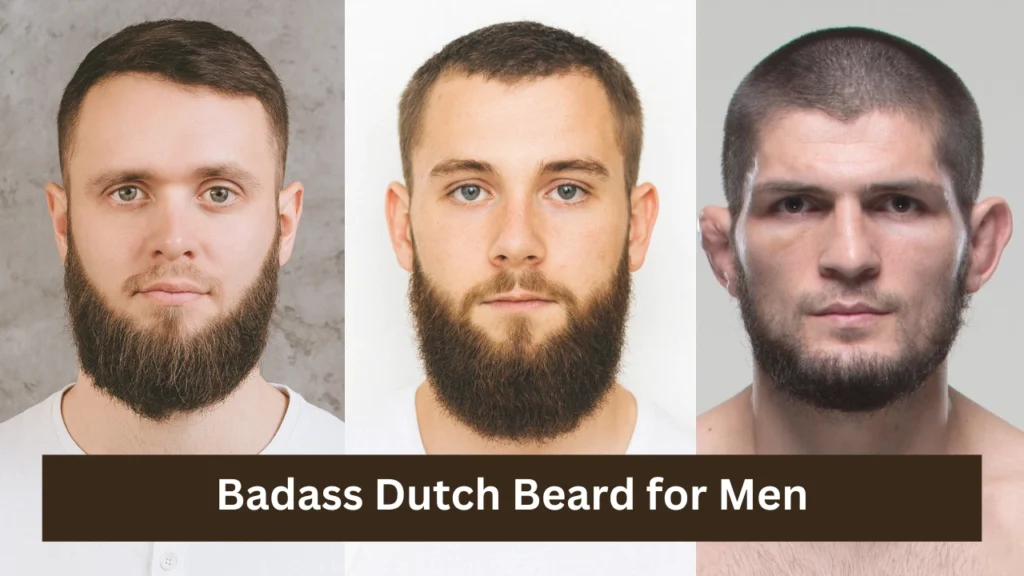
Dutch Beard Is Back: Badass Beard Style for Men You Need in 2026.
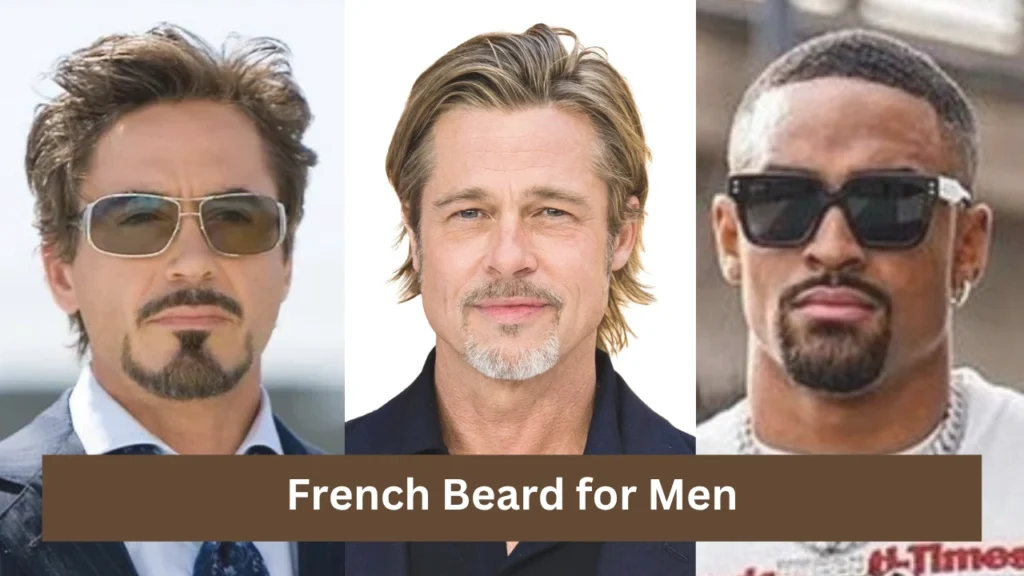
15 Most Attractive French Beard for Men (With Grooming Tips).