
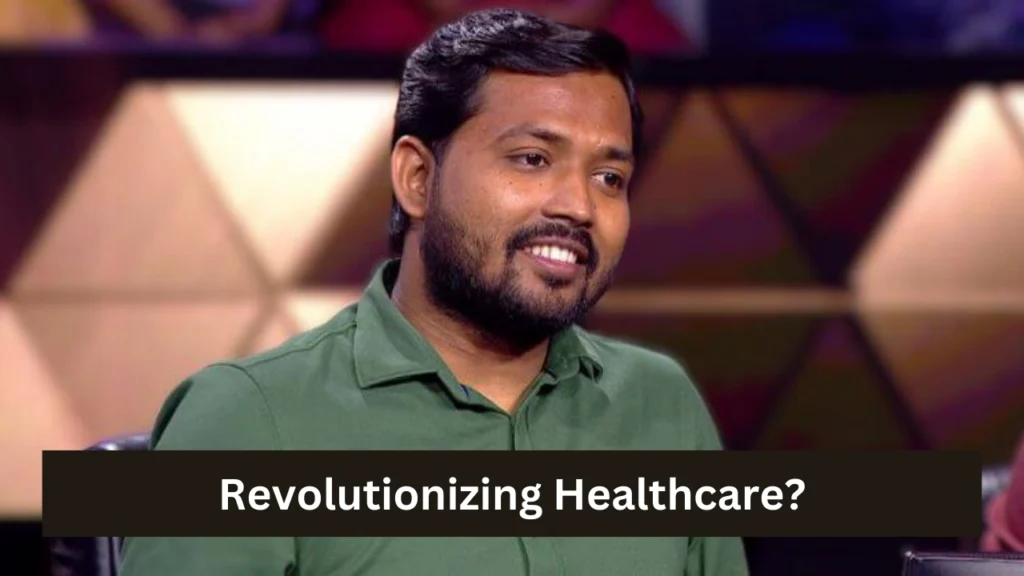
Faizal Khan, better known as Khan Sir, has long been a household name in India’s educational landscape. With over 25 million YouTube subscribers, he has inspired millions of aspirants preparing for UPSC and other competitive exams with his unique teaching style, candid explanations, and engaging storytelling. However, Khan Sir is now making headlines for a venture that goes far beyond the classroom: he has opened a low-cost diagnostics hospital in Patna.
This hospital has already started drawing crowds, generating debates, and making waves online for offering ultra affordable medical services: ECGs for just ₹25, ultrasounds around ₹100, and dialysis starting at ₹350. Videos circulating on social media show excited visitors, specialist doctors attending patients, and long queues forming outside the facility. For men who are often the primary decision-makers in family healthcare and financial planning, this development could signal a significant opportunity, or a challenge; in navigating accessible, reliable medical care.
Affordable Healthcare: A Rare Opportunity in Bihar
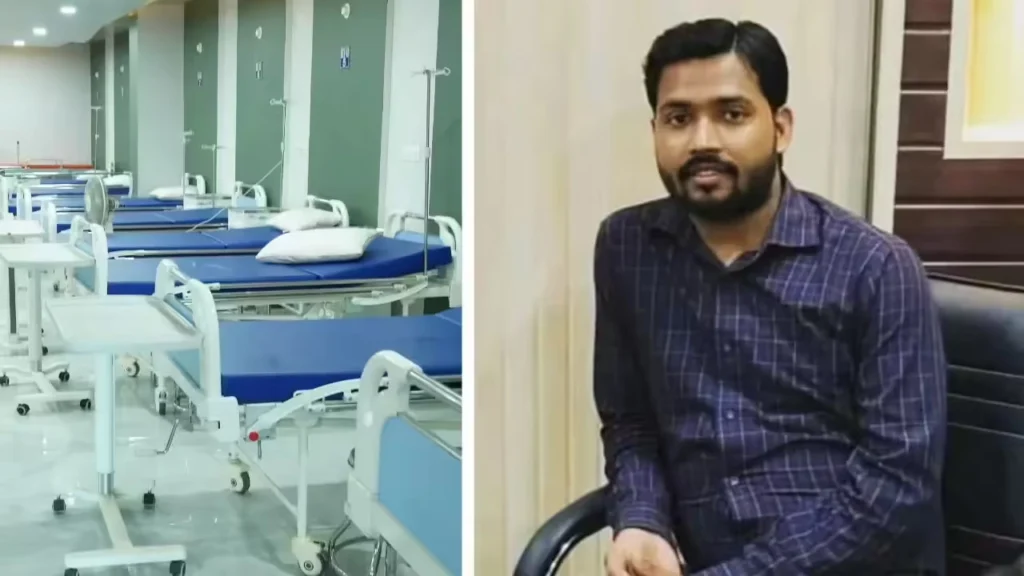
Healthcare in Bihar has long faced criticism for being expensive, unevenly distributed, and difficult to access, particularly for low- and middle-income families. Routine diagnostics, which are taken for granted in metro cities, can cost significantly more in smaller towns. Men, especially those managing household responsibilities or supporting aging parents, often find themselves making hard choices between daily expenses and medical care.
Khan Sir’s hospital directly addresses this problem by drastically reducing the cost of essential diagnostic tests. Imagine being able to get an ECG for ₹25 before resuming physically demanding work, or an ultrasound for ₹100 to monitor health issues in the family. Even dialysis, a treatment that typically drains both pockets and patience, is now available at ₹350 per session, making it a lifeline for many men who worry about both the health and financial burdens of chronic illness.
Facility and Its Vision
The hospital in Patna is equipped to handle basic diagnostics, outpatient care, and dialysis, with a focus on affordability and accessibility. Khan Sir has also announced plans to expand with five additional AI-enabled healthcare centers across Bihar. This suggests an ambition not just to open a single facility, but to create a network of technologically advanced yet low-cost hospitals.
For men who are often juggling careers, household responsibilities, and personal health, this vision could represent a real step toward reducing the stress of healthcare management. Access to reliable diagnostics at low cost can empower men to be proactive about their own health, rather than waiting until emergencies occur.
Public Reaction: Praise, Skepticism, and Humor
The online response has been mixed but highly engaged:
- Praise: Many netizens and media outlets have lauded Khan Sir for democratizing healthcare. His initiative is being described as a lifeline for Bihar’s underprivileged, offering essential health services that were previously inaccessible or unaffordable.
- Skepticism: Some experts and users have questioned the sustainability of such ultra-low costs. Can quality medical care be maintained at such rates? Comparisons with Ayushman Bharat, the government’s flagship health insurance scheme, are unavoidable. While Ayushman Bharat covers hospitalization costs for the poor, it rarely subsidizes routine diagnostic tests at such low prices. Critics worry whether this model can survive long-term without cutting corners.
- Humor and Memes: True to internet culture, the launch has also inspired numerous memes. Many depict astonished patients paying ₹25 for an ECG, joking that they can now afford full health checkups while still having money for snacks or chai. For men who enjoy following social media trends, these memes make a serious issue approachable while highlighting the novelty of such affordability.
Medical Experts Weigh In
Despite the enthusiasm, some doctors have expressed caution. While low costs are appealing, quality and patient safety cannot be compromised. Dialysis, for instance, is a highly sensitive procedure that requires rigorous standards to avoid complications. Experts warn that without careful regulation, low-cost hospitals could inadvertently create health risks or open doors to scams.
For men who are considering taking their families to such facilities, this raises legitimate concerns. Ensuring that the hospital maintains certified specialists, hygienic practices, and reliable diagnostic equipment is critical to turning the initiative into a long-term solution rather than a temporary spectacle.
Economic and Social Implications

Khan Sir’s initiative also reflects a broader trend: social entrepreneurship in India, where popular figures leverage their influence to address systemic issues. Affordable healthcare can dramatically reduce out-of-pocket medical expenses, particularly in states like Bihar, where many families are economically vulnerable.
For men, this has multiple implications:
- Financial Relief: Access to low-cost diagnostics means less strain on household budgets, allowing men to allocate resources toward other necessities or savings.
- Preventive Health: Men often neglect routine checkups, but lower costs can incentivize proactive health monitoring.
- Family Well-Being: Men responsible for aging parents or children with medical needs can now access essential diagnostics without long waits or financial stress.
Additionally, if successful, Khan Sir’s model could disrupt traditional healthcare markets, forcing conventional hospitals to reconsider pricing strategies or adopt more patient-friendly approaches.
Challenges Ahead: Sustainability and Scaling
While the initiative is inspiring, sustainability remains the key question. Ultra-low costs, ambitious AI integration, and rapid expansion require consistent funding, trained staff, and high-quality equipment. Can Khan Sir maintain quality while scaling across Bihar or even beyond?
For men who are business-minded or curious about entrepreneurship, this is a fascinating case study in balancing social impact with operational viability. It raises questions about whether fame and influence alone can drive sustainable healthcare solutions, or if long-term planning and rigorous management are indispensable.
Final Thoughts
Khan Sir’s affordable hospital in Patna is more than a headline; it is a bold experiment at the intersection of social entrepreneurship, healthcare, and celebrity influence. For men, it embodies both opportunity and caution. The initiative provides access, affordability, and a potential lifeline for those who might otherwise neglect their health due to financial constraints. Yet, it also reminds us that quality, safety, and long term sustainability cannot be overlooked.
Ultimately, the hospital is a reflection of what can happen when public figures step beyond their primary domain to address societal challenges. It challenges men, and all citizens; to rethink what healthcare can look like, especially in underserved regions. The question is no longer whether affordable healthcare is possible, but how we can ensure that hope does not come at the cost of responsibility.
As long as Khan Sir’s vision balances innovation with integrity, his initiative could inspire a healthcare revolution in Bihar and perhaps serve as a blueprint for the rest of India; where affordability, accessibility, and quality healthcare coexist.
Source: The Logical Indian
What’s Trending!

From Australia to India: Ryan Williams Shines on India Debut: Meet the New No.10 Star.
How Nani’s Jadal Braids Look in The Paradise Redefines Modern Masculinity in 2026: Boldness & Bravery?

India Crushes New Zealand by 96 Runs for Record Third T20 World Cup Title.

Decoding Yash’s Stunning Transformation: From Rugged Raya to Dashing Young Ticket in Toxic.

UK07 Rider’s Emotional “Final Video” Ignites a Powerful Conversation About Men’s Mental Health in India.