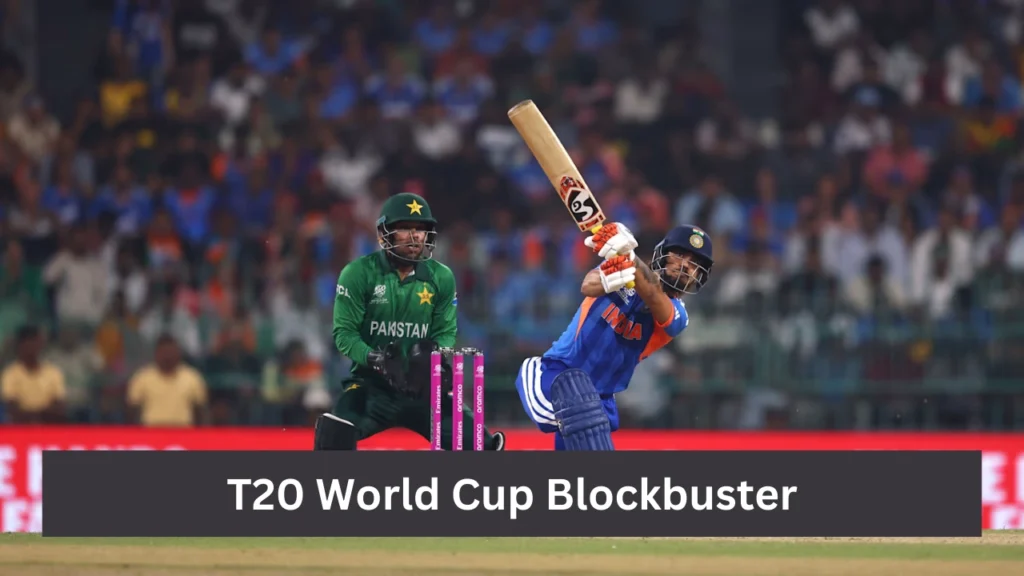
When India and Pakistan collide on the cricket field, the stakes transcend points tables and statistics. Pride, history, and millions of beating hearts come into play. And in a thunderous T20 World Cup encounter in Colombo, India delivered a commanding statement; crushing Pakistan by 61 runs in a contest that blended elite skill with raw emotion.
With this victory, India not only sealed qualification for the Super 8s but also extended their remarkable head-to-head dominance to 8–1 in T20 World Cup history over their fiercest rivals.
Ishan Kishan’s Fireworks Light Up Colombo
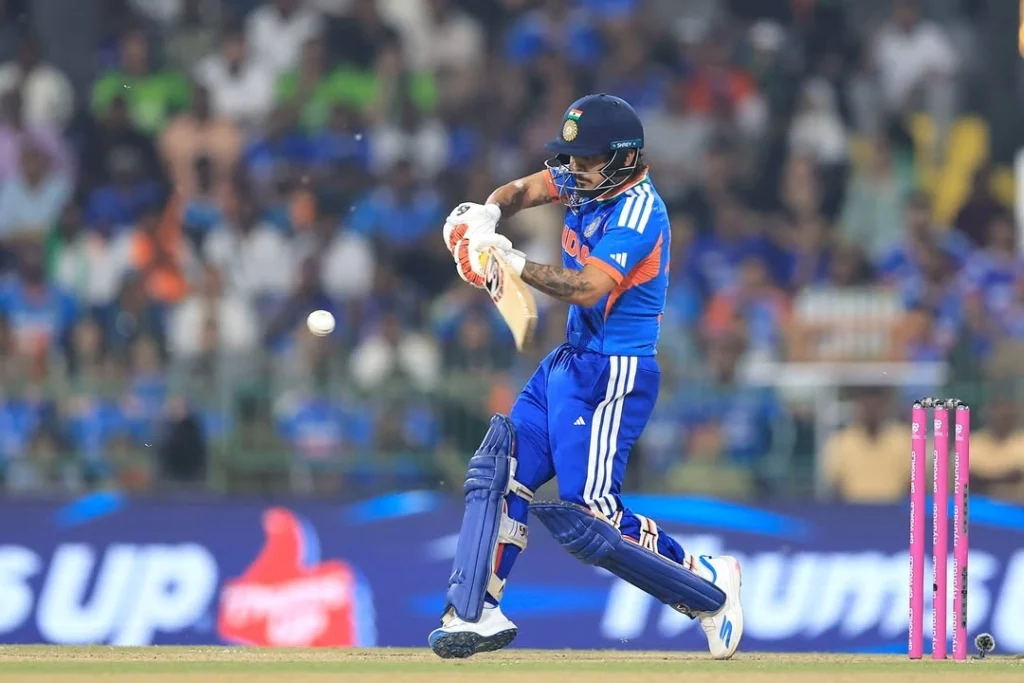
On a surface that offered just enough grip to keep batters honest, India were sent in to bat first. The stage was intimidating, the atmosphere deafening. But if pressure existed, Ishan Kishan didn’t show it.
The explosive left-hander unleashed one of the most electrifying innings of the tournament: 77 runs off just 40 balls, an assault built on audacity and timing. From the outset, Kishan attacked Pakistan’s pace battery, dancing down the track and carving boundaries through point and over midwicket.
Every clean strike seemed to drain energy from Pakistan’s bowlers and inject belief into the Indian camp. He reached his half-century at blistering speed, keeping the run rate above nine an over and ensuring India never ceded momentum.
Though wickets fell intermittently, India maintained scoring pressure through the middle overs. The finishing touches pushed the total to 175 for 7 in 20 overs; a score competitive enough to challenge, yet demanding precision in defense.
India’s Bowlers Turn the Screw
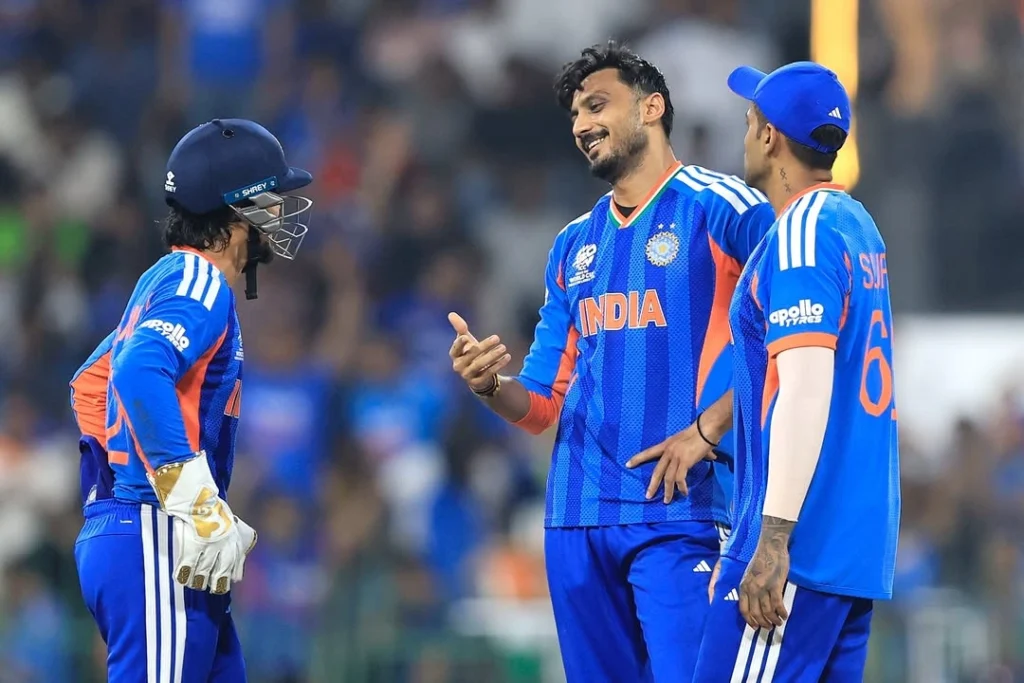
If Kishan ignited the contest, India’s bowlers extinguished it.
Pakistan’s chase never quite stabilized. Early breakthroughs rattled the top order, forcing risky strokes against disciplined lines. India’s attack bowled with clarity; tight lengths, clever variations, and relentless fielding intensity.
Leading the charge was all-rounder Hardik Pandya, whose spell of 2 for 16 epitomized control under pressure. Mixing cutters with hard lengths, Pandya choked scoring avenues and forced mistakes. His breakthroughs came at decisive moments, stalling any attempt at rebuilding.
As the required rate climbed, Pakistan’s batters grew increasingly desperate. Mistimed lofts, hurried singles, and mounting frustration painted the picture of a side being methodically dismantled.
By the 18th over, the end was sealed. Pakistan were bowled out for 114, handing India a comprehensive 61-run victory.
Rivalry That Stops Time
Few rivalries in world sport command global attention like India versus Pakistan in cricket. Every delivery is analyzed, every reaction amplified.
The stands in Colombo were a kaleidoscope of green and blue, flags waving, drums beating, chants echoing into the night. The intensity was palpable even before the first ball.
One poignant moment stood out before play began. Television cameras captured Pakistan supporters respectfully standing during India’s national anthem. The gesture quickly circulated online, earning praise and sparking conversations about sportsmanship beyond borders.
But as always with this rivalry, admiration and banter walk hand in hand.
Social Media Erupts: Banter, Taunts, and Viral Clips
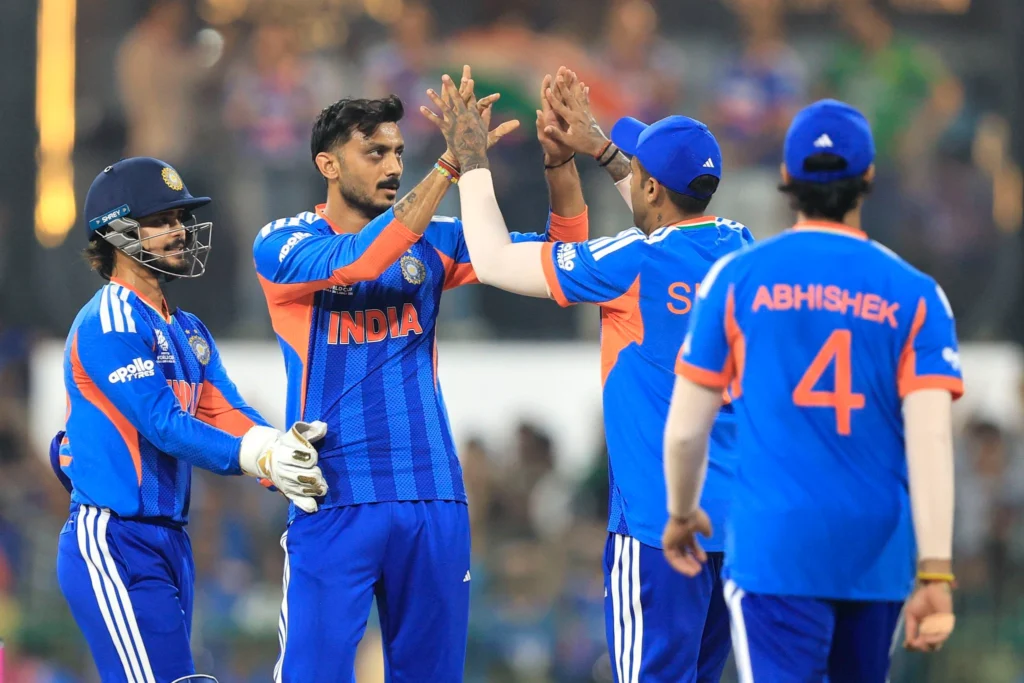
As India’s victory became inevitable, celebrations spilled from the stands onto social media timelines.
Clips of anthem respect were met with playful challenges: “How many Indians can do this?” while Indian fans countered with sharp-witted replies. Among the viral quips was a line that stirred debate: “Indians never want to become Pakistani, but many Pakistanis want to be Indian.”
The exchanges, sometimes humorous and sometimes pointed, reflected the emotional investment that defines this matchup. For both nations, cricket is more than sport; it is identity, expression, and generational pride.
Tactical Brilliance Meets Emotional Intensity
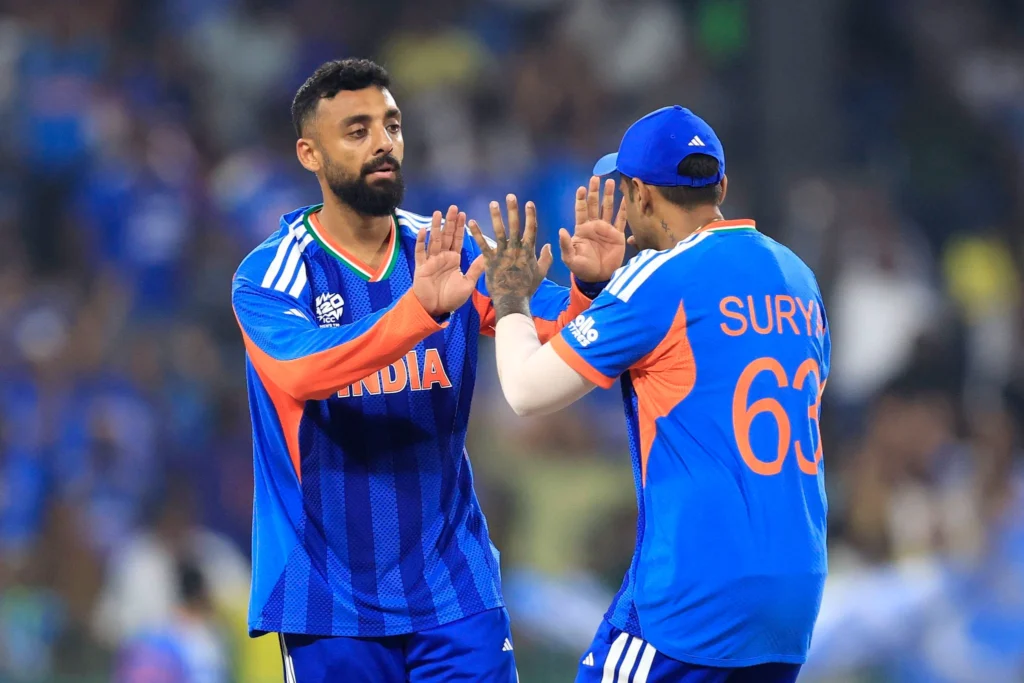
Beyond the noise and narrative, this match was a masterclass in execution.
- Powerplay dominance: India capitalized early with fearless batting.
- Middle-overs control: Strategic bowling rotations kept Pakistan guessing.
- Fielding sharpness: Quick stops and direct hits amplified scoreboard pressure.
- Mental composure: India absorbed the intensity of the occasion and responded with clarity.
In contrast, Pakistan struggled to string together partnerships. The inability to stabilize after early losses proved costly, especially in a chase demanding calculated aggression.
India’s Growing Tournament Momentum
The victory does more than bolster statistics; it reinforces India’s status as a tournament heavyweight.
Advancing to the Super 8s with such authority sends a message to the rest of the competition. The batting unit has depth. The bowling attack has variety. The all-rounders provide balance. Most importantly, the team appears unfazed by high-pressure situations.
The 8–1 T20 World Cup record against Pakistan is not merely historical trivia; it is a psychological edge that continues to loom large in these encounters.
Final Thoughts
Matches between India and Pakistan are never just about runs and wickets; they are about moments that linger long after the final ball is bowled.
This 61-run triumph will be remembered not only for Ishan Kishan’s fearless strokeplay and Hardik Pandya’s clinical spell, but also for the charged atmosphere, the gestures of respect, and the spirited exchanges that followed. It showcased the very essence of cricket’s greatest rivalry: fierce competition balanced by flashes of humanity.
For India, the win strengthens belief and momentum heading into the Super 8s. For Pakistan, it serves as a reminder of the fine margins that define elite tournaments and the resilience required to bounce back.
Above all, the night in Colombo reaffirmed why this rivalry captivates billions. When India and Pakistan meet, cricket becomes theatre, passion becomes palpable, and history gains another unforgettable chapter.
What’s Trending!

Nani’s Bloody Romeo Mullet Haircut: Trending Men’s Hairstyles in India.
Nana Patekar Dies at 75: The Voice, Rage and Soul of Indian Cinema Falls Silent.

1 Kachori, 2 Samosa… In Mardon Ka Kya Bharosa. What Do Men Deserve Actually?
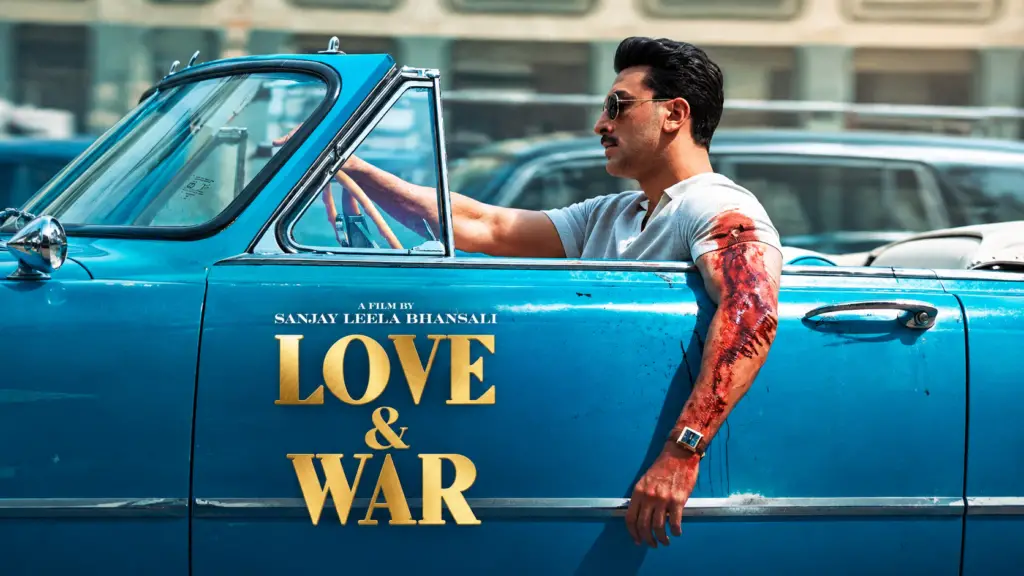
First Poster Unveils Ranbir Kapoor in Love & War: Ranbir Kapoor’s Rugged Air Force Look Sparks Massive Buzz.

From Australia to India: Ryan Williams Shines on India Debut: Meet the New No.10 Star.