Dutch Beard
Men have been redefining facial hair for centuries, but some beard styles stand out because they are more than just hair; they are identity. The Dutch beard is one such style. Rooted in history, admired for its masculine shape, and perfectly suited for modern rugged charm, the Dutch beard has resurfaced as a powerful grooming statement for men who want to command attention without uttering a word.
Over the last few years, the Dutch beard has quietly crept back into the spotlight. Barbers and grooming experts credit this resurgence to its commanding presence, its ability to enhance facial structure, and its unique image: masculine, sturdy, unpretentious, and boldly traditional. If you’re looking for a beard style that feels both heroic and timeless, then the Dutch beard might be your ultimate match.
This guide covers everything from origins to shaping techniques, styling options, maintenance routines, and expert advice for achieving a flawless Dutch beard that truly stands out.
Understanding Dutch Beard: What Makes It Unique?

Unlike trendy beards that come and go, the Dutch beard has a signature look that has remained consistent through history. It is typically large, full, and prominently extended downward from the sideburns, creating a broad, powerful appearance around the jaw and chin. One of its most distinctive rules is that it is worn without a mustache; a clean upper lip that directs all focus to the lower beard.
This style doesn’t chase perfection in precision lines. Instead, it celebrates volume and natural thickness. The beard is shaped to expand outward as it grows downward, giving the lower face a wide and sturdy foundation. It is exactly this bold form that transforms the Dutch beard from a grooming choice into a personality statement.
Historical Roots of the Dutch Beard

The Dutch beard style stretches back to the era of Dutch farmers, seafarers, blacksmiths, and working men who proudly wore their beards long and free. It became a symbol of:
- Strength and resilience
- Maturity and wisdom
- Honor and masculine credibility
European history shows portraits and statues of men wearing similar beard shapes during the 16th to 19th centuries; particularly in the Netherlands and neighboring regions. It wasn’t a luxury or aristocratic beard; it was the beard of the everyday hardworking man. That authenticity continues to be what makes this style appealing today.
In more recent decades, it has also been associated with Viking and lumberjack aesthetics; a gritty and primal image that many modern men aspire to emulate.
Is the Dutch Beard Right for You?
Growing a Dutch beard isn’t just about tossing your razor aside and hoping for glory. Certain face shapes and personalities are better suited for it. The beard naturally broadens and strengthens the jawline, making it an excellent choice for:
- Oval faces, which can carry almost any beard style
- Diamond or triangular faces, which benefit from added width below the cheekbones
- Round faces, which can use the beard’s vertical length to create structure
- Men with weaker or narrower jaws, who want a stronger, more square profile
Men with heart-shaped faces can still enjoy the Dutch beard, but they may need a slightly adjusted version to avoid too much length at the bottom. The key goal is always balance; the beard should enhance facial geometry rather than distort it.
However, the Dutch beard is not just a style; it is a commitment. You must be ready to groom it regularly, maintain its shape, and wear it with confidence. A big beard demands attention, so you must be comfortable being noticed.
How Long Does It Take to Grow a Dutch Beard?
This depends greatly on genetics and lifestyle, but most men can expect:
- 8 to 12 weeks to establish a solid base
- 4 to 6 months to reach a classic fuller Dutch beard look
- 6 months to a year for an impressive long Dutch beard with depth and texture
The biggest mistake men make is trimming too much too early. A Dutch beard must first grow wildly to reach its natural fullness. Discipline during early stages pays off later when shaping begins.
During growth, the “itchy beard phase” often discourages men around weeks 2–4. But beard oils, massages, and proper hydration make this stage easier; and help maintain follicle health for thicker, healthier beard growth.
How to Shape a Dutch Beard?
Once you’ve grown enough facial hair, shaping is the defining moment. The Dutch beard keeps the spotlight on the chin and jaw, so shaping must reflect that purpose.
The Mustache Removal
The first key step: the mustache must go. A clean-shaven upper lip is one of the distinctive features of this beard style. It helps widen the lower beard by comparison, enhancing the dramatic effect.
Sideburns and Cheek Flow
The sideburns should grow seamlessly downward into the beard; no sharp fade or narrow cheek lines. The fuller the cheek hair, the better the final shape will be. It’s a style that thrives on natural bulk.
Jawline and Lower Beard Width
While maintaining thickness, you or your barber will begin slightly sculpting the outer edges. The beard should grow outward and downward, gradually widening toward the bottom. This creates the iconic Dutch “foundation beard” thick, broad, and dominant.
Neck Area
Unlike modern corporate beards with precise high necklines, the Dutch beard allows neck growth. It can be trimmed lightly for neatness but should never be sharply cut. The beard should feel like it’s growing from a natural source of strength at the neck.
Over time, finishing touches; squared edges for a strong jaw or a rounded bottom for softer balance; help personalize the look.
Finding the Dutch Beard That Fits Your Personality!
Different men will want different versions of the Dutch beard depending on their facial structure, personal style, and lifestyle. A few popular variations include:
1. Classic Dutch

This is the pure, iconic version of the style: a wide base, high volume, and a completely shaved mustache. It has a rugged, rustic essence that perfectly suits men who value authenticity and heritage.
2. Old Dutch Beard

The Old Dutch Beard is the closest reflection of how the style was worn historically by Dutch farmers and working-class men. It allows for a very full, broad beard that begins high on the cheeks and expands outward. The edges are softer, the shape more naturally grown, and the presence more powerful. It is ideal for men who want the beard to speak for itself; grounded, undiluted, and proudly traditional.
3. Modern Dutch

Designed with contemporary standards in mind, the modern Dutch beard keeps the bottom full but uses sharper trimming along the sides for a cleaner, more polished silhouette. It fits well into professional environments while retaining the Dutch beard’s bold character.
4. Viking Dutch
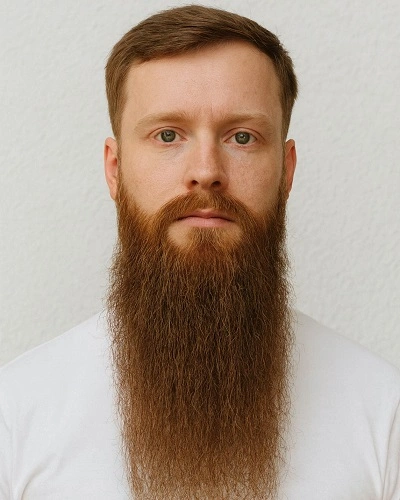
This dramatic variation takes inspiration from Norse warriors; longer, heavier, and often reaching chest length if growth allows. Some choose to accessorize with beads or incorporate braids, pushing the look into full epic territory. It’s for men who want to look fearless and untamed.
5. Dutch Hybrid

This variation is strategically designed for men with patchy growth on the cheeks. The focus remains on the chin and jaw, while the cheek area is trimmed shorter or faded. The result is a cleaner look that still fulfills the Dutch beard’s signature emphasis on lower fullness.
Each version carries the same underlying message: confidence, boldness, and unmistakable individuality.
Maintenance: The Dutch Beard Demands Care
A beard so prominent must remain clean, healthy, and shaped. Neglect quickly turns this style from impressive into unruly. Establishing a grooming routine is vital.
Regular cleansing prevents trapped oils, dust, and sweat. However, overwashing strips natural oils; so beard-specific shampoo is best used 2–3 times weekly. Between washes, a light rinse is often enough.
Daily moisturizing with beard oil keeps the hair soft, prevents itch and dandruff, and protects the skin beneath. A richer beard balm or cream helps maintain structure, especially in wind or humidity. Brushing with a boar bristle brush trains hair direction and spreads oils evenly throughout the beard.
As the beard grows longer, trim split ends every few weeks to maintain a strong, clean look. However, shaping trims should be done cautiously; it’s better to visit a professional barber who understands large-beard geometry.
Pairing the Beard With the Right Hairstyle
Because the Dutch beard is a massive visual element, your hairstyle must complement; not compete with; it.
Men with shaved or bald heads look particularly striking, as the beard becomes the star of the show. This pairing eliminates distractions and frames the face with incredible authority.
Short, faded, or undercut hairstyles also work beautifully, providing contrast and helping the beard appear even fuller. Longer hair can also be paired successfully, particularly if aiming for a Viking-inspired look, but the key remains balance; both hair and beard must appear intentional, not accidental.
Also Explore: Haircuts for Men
What If You Have Patchy Beard Growth?
Believe it or not, the Dutch beard offers flexibility here. Because thickness is concentrated at the bottom, minor cheek patchiness can be addressed with smart trimming. Enhancing growth with tools like beard rollers, facial massage, and nutrient-rich oils such as castor and argan; encourages density to improve gradually.
Patience is important. Patchy beginnings don’t predict a patchy final result when the beard is long and full.
Find Out: Why is My Beard Patchy?
Dutch Beard and Confidence: Why Men Choose This Beard Today?
While modern grooming trends often emphasize clean cuts and sleek lines, the Dutch beard proudly breaks that mold. It evokes something primal; a reminder of traditional masculinity, of hands that work hard, of men who stand firm.
Wearing a Dutch beard says:
- You value bold character over convenience
- You control your image with intention
- You are comfortable commanding attention
- You’re not afraid to express individuality
In an era where conformity is easy, this beard is a rebellious declaration of personal power.
Celebrities and Cultural Influence

While not heavily represented on Hollywood red carpets, the spirit of the Dutch beard can be seen in characters and personalities such as Jason Momoa’s rugged looks or the Viking archetypes brought into modern pop culture. Music producer Rick Rubin has also worn a similar full-lower beard for years, helping give the look a wise, sage-like vibe.
Though not always labeled “Dutch,” the essence remains: a powerful beard that symbolizes identity and strength.
Common Pitfalls to Avoid
Even experienced beard growers can stumble when attempting the Dutch beard. The most common mistakes include:
- Getting impatient and trimming too soon
- Neglecting the mustache rule
- Allowing the beard to become unstructured or dirty
- Forcing sharp cheek lines that oppose the natural aesthetic
- Allowing split ends to ruin volume
Avoiding these errors ensures the beard remains not only impressive but also healthy and comfortable.
Health and Lifestyle Tips for Better Beard Growth
The Dutch beard thrives when your overall health supports it. Beard follicles respond well to:
- A protein-rich diet (keratin needs building blocks)
- Omega-3 fatty acids to nourish the skin
- Quality sleep for proper testosterone production
- Hydration to prevent brittle hair
- Reduced stress levels to avoid shedding
Adding biotin supplements or collagen may support stronger, thicker growth; though results vary by individual. The goal is to nourish both beard and body alike.
Dutch Beard vs. Other Full Beards
A Dutch beard is sometimes confused with a standard “full beard” or Viking beard. The biggest differences lie in intent and silhouette. The Dutch beard deliberately emphasizes width and fullness below the chin, while a Viking beard focuses on length and the full-face mustache-included look. The Dutch beard trims away the mustache to fully highlight jaw and chin volume, offering a more distinctive structural identity.
Final Thoughts
If you want a beard style that looks powerful, masculine, bold, and unapologetically noticeable, the Dutch beard is a top choice. It does require dedication; both during the growth phase and afterward but it rewards patience with a look that turns heads and defines presence.
It’s not a beard for everyone, and that’s exactly what makes it so special. Whether you want the polished modern version or a wild warrior-like version that channels heritage and strength, the Dutch beard puts personality first and trends second.
Commit to the process. Take pride in the journey. And once it’s fully shaped; wear your Dutch beard like the crown it is.
FAQs: Dutch Beard
1. What is a Dutch Beard?
A Dutch beard is a traditional, full-bodied beard style that features thick growth along the jawline and chin, with a wide and prominent lower beard. One defining characteristic is that the mustache is typically shaved off, leaving the upper lip clean. The beard flows naturally from the sideburns downward and is shaped to be wider and fuller at the bottom. Historically, this style was popular among Dutch farmers and working-class men, and today it remains a bold, masculine look for those who want a rugged and dominant beard style.
2. Can Dutch People Grow Beards?
Yes, Dutch men, like most European men, are fully capable of growing beards. In fact, historically, Dutch men were well known for their strong and full beard growth; which is how the Dutch beard style gained popularity centuries ago. Genetics, hormones, and lifestyle habits influence beard growth, but there is no biological barrier preventing Dutch men from growing thick and impressive facial hair.
3. What is Dutch’s Facial Hair Called?
The facial hairstyle commonly associated with Dutch grooming tradition is called the Dutch Beard, also known as the Old Dutch or Dutchman Beard. It is characterized by a large, thick beard that focuses on enhancing the shape of the jaw without including a mustache. In some modern interpretations, the style blends elements of Viking beards and lumberjack-inspired grooming, but the defining feature remains a mustache-free, bold lower beard.
4. Which Beard Style Attracts Girls?
Attraction is subjective and depends on personal taste; some women love rugged, full beards while others prefer clean-shaven looks. However, surveys and grooming studies often show that well-maintained full beards tend to attract the most attention, as they are associated with maturity, confidence, and masculinity. Styles like the Dutch beard, when kept clean and shaped properly, can be highly attractive due to the strong and dominant facial structure they create. Ultimately, the beard that attracts most women is one that matches your personality and is well groomed.
5. What Makes Dutch Men Attractive?
Dutch men are generally viewed as attractive for a combination of reasons; not only physical features. They are known for their tall height, sharp facial structure, and often strong beard growth. But beyond looks, Dutch men are admired for their direct communication style, confidence, and independent nature. Their blend of physical presence and laid-back, open-minded character contributes to the widespread impression that Dutch men have a naturally appealing, effortless charm.
What’s Trending!
7 Stunning Van Dyke Beard for Men Should Try in 2026.
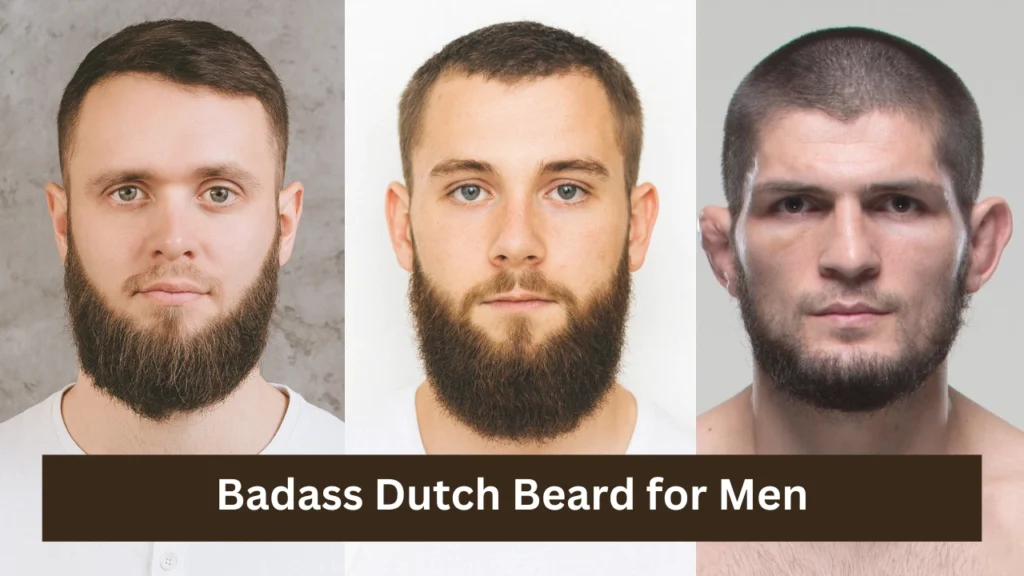
Dutch Beard Is Back: Badass Beard Style for Men You Need in 2026.
15 Most Attractive French Beard for Men (With Grooming Tips).