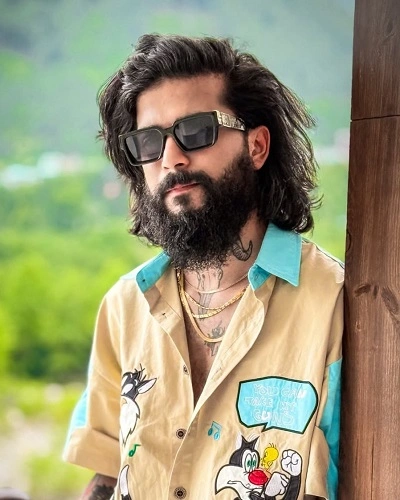
The Indian influencer world has been shaken by a deeply personal controversy involving popular moto vlogger Anurag Dobhal, widely known as UK07 Rider.
With nearly 8 million YouTube subscribers, Dobhal built his reputation through high energy motorcycle travel vlogs, lifestyle content, and raw storytelling that resonated with millions of young Indian men chasing independence, adventure, and success.
His fame grew even further after appearing on the reality show Bigg Boss 17, where he gained mainstream visibility beyond YouTube audiences.
But this week, Dobhal went viral for an entirely different reason.
In an emotional video that he described as his “last vlog,” the influencer accused his own family of mental harassment and betrayal following his marriage to Ritika Chauhan.
The video quickly triggered a massive social media debate, with fans expressing shock, sympathy, skepticism, and concern for his mental health; while his brother publicly pushed back with serious counter allegations.
What began as a personal revelation has now become a public family feud watched by millions, raising uncomfortable questions about fame, family expectations, inter caste marriage, and the mental health struggles many men silently carry.
Emotional Video That Shook His Followers
In the lengthy vlog, Anurag Dobhal appeared visibly distressed as he spoke about the intense turmoil in his personal life.
He alleged that after marrying Ritika Chauhan, tensions between him and his family escalated dramatically.
According to Dobhal:
- His family allegedly opposed the marriage because of caste differences.
- He claimed relatives humiliated him and pressured him to apologize publicly during disputes.
- He accused family members of taking control of properties and finances.
- He described months of mental harassment and emotional pressure that left him deeply depressed.
The influencer also made a troubling statement suggesting that if anything happened to him, certain family members should be held responsible.
That moment particularly alarmed viewers.
Within hours, the video began circulating widely on social media platforms, sparking intense debates and thousands of reactions from fans.
Some followers said they were shocked to see a confident influencer; someone known for riding powerful motorcycles across the country, break down emotionally in front of the camera.
For many viewers, the moment shattered the illusion of the invincible influencer lifestyle.
Love Story That Once Inspired Fans
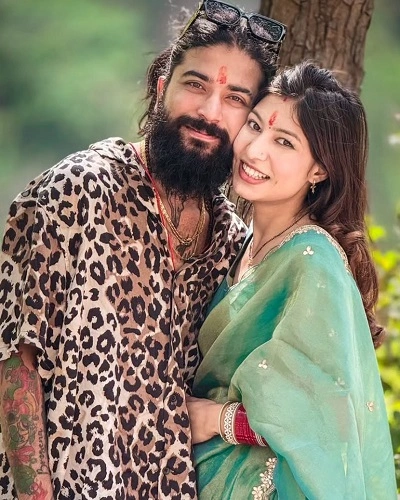
Long before the controversy, Anurag Dobhal and Ritika Chauhan were seen by fans as a modern digital age love story.
The couple shared glimpses of their relationship online through posts, celebrations, and romantic travel moments. Their engagement and wedding photos received thousands of congratulatory messages from followers who had watched their journey unfold over the years.
To many fans, their relationship symbolized a generation of young Indians choosing love and compatibility over traditional expectations.
However, Dobhal now claims the relationship created deep conflict within his family because he belongs to a Brahmin background while Ritika comes from a Rajput family.
Inter caste marriages are increasingly common in India’s urban youth culture, but they can still trigger tension in traditional households where caste identity continues to influence family decisions.
Dobhal suggested that standing by his wife ultimately led to a breakdown in his relationship with his family.
He also hinted that the stress surrounding these conflicts eventually led to his separation from Ritika, though he did not fully explain the current status of their relationship.
For followers who once admired their relationship, the revelations were difficult to process.
Brother’s Counterattack: A Different Narrative Emerges
Shortly after Dobhal’s video went viral, his brother Kalam Dobhal took to Instagram with a sharply different version of events.
In his posts, Kalam shared screenshots of alleged chats and made several serious accusations against his brother.
His claims included:
- Allegations of substance abuse
- Accusations of domestic violence
- Claims that Dobhal had filed a false police complaint against family members
These counter allegations immediately complicated the story.
What initially appeared to be a narrative about family rejection and caste conflict quickly turned into a confusing situation where both sides accused each other of wrongdoing.
At this point, the public is left with competing claims and no verified legal conclusions, making it difficult to determine the full truth behind the situation.
Social Media Reacts: Sympathy, Skepticism, and Concern
The internet reaction has been intense and deeply divided.
Supporters
Many viewers sympathized with Dobhal and believed his emotional breakdown reflected genuine suffering.
Supporters pointed out that:
- Inter caste relationships still face resistance in many Indian families.
- Mental health struggles among men are often ignored.
- Influencers may appear strong online while suffering privately.
Some fans urged him to step away from social media and focus on therapy, healing, and rebuilding relationships.
Skeptics
Others were more cautious about accepting the story at face value.
Critics argued that:
- Personal disputes should not be turned into public content.
- Both sides may share responsibility for the conflict.
- Social media rarely tells the full story.
Many observers called the entire situation a tragic example of how private family conflicts become viral spectacles in the age of influencers.
Dark Side of Influencer Fame
The UK07 Rider controversy highlights a major challenge faced by modern influencers: the loss of privacy.
Social media rewards openness and authenticity. Creators are encouraged to share their lives: relationships, struggles, and emotions, because audiences connect with honesty.
But when personal crises unfold publicly, they can quickly spiral out of control.
Once a private issue goes viral:
- Millions of strangers start forming opinions.
- Family members become public figures overnight.
- Every statement is analyzed and criticized.
- Emotional decisions are amplified by the internet’s echo chamber.
For influencers like Dobhal, the pressure of maintaining a public persona while dealing with personal pain can become overwhelming.
Bigger Issue: Men’s Mental Health in India
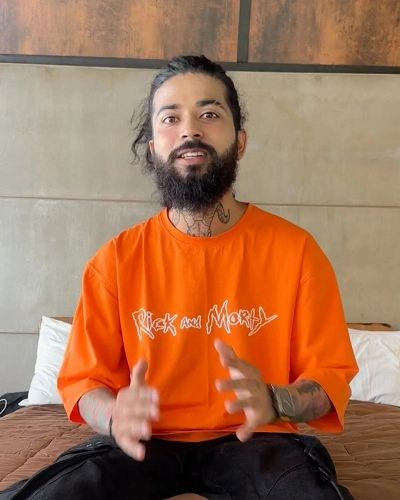
Beyond the controversy itself, the situation has sparked an important conversation about men’s mental health in India.
Despite rapid social change, many Indian men grow up with deeply ingrained expectations:
- Be strong.
- Do not show weakness.
- Do not talk about emotional pain.
- Solve problems alone.
These expectations often leave men without healthy ways to express stress, heartbreak, or psychological struggles.
Statistics and studies in India frequently show a troubling pattern:
Men are less likely to seek therapy, less likely to talk about emotional distress, and more likely to internalize their struggles until they become overwhelming.
In many cases, men only speak openly about their pain when they reach a breaking point.
Influencers like Anurag Dobhal represent a generation of men caught between traditional expectations and modern pressures.
They are expected to:
- Achieve financial success
- Maintain strong family relationships
- Protect their reputation
- Handle emotional conflict silently
When these pressures collide; family expectations, public scrutiny, relationship struggles, the psychological toll can be severe.
Why Men Often Stay Silent About Mental Health?
Despite growing awareness about mental health, many men in India still struggle to openly talk about their emotional problems. Cultural expectations, social norms, and personal fears often make it difficult for men to express vulnerability. As stories involving public figures like Anurag Dobhal show, emotional struggles can exist even behind confident public personalities. Several factors contribute to this silence.
1. Social Conditioning
From a young age, many boys grow up hearing phrases such as “men don’t cry,” “be strong,” or “handle it like a man.” These messages are often repeated by families, teachers, and society in general. Over time, they shape the belief that showing emotions is a sign of weakness. As a result, many men learn to suppress feelings like sadness, anxiety, or fear instead of discussing them openly.
2. Lack of Safe Spaces
Unlike women, who may find it easier to talk about personal struggles with friends or family, men often lack environments where emotional conversations feel safe. Many social circles among men focus on work, humor, or casual topics rather than deeper emotional discussions. Without supportive spaces to express vulnerability, men may choose silence instead.
3. Fear of Reputation Damage
Admitting emotional struggles can feel risky, especially for men in leadership roles, competitive workplaces, or public professions. Some worry that acknowledging mental health challenges might make others question their strength, competence, or reliability. For public figures and influencers, the fear that vulnerability might affect their image or career can make speaking out even more difficult.
4. Family Expectations
In many Indian households, sons are expected to be the strong pillars of the family; emotionally stable, financially responsible, and capable of handling difficulties without complaint. These expectations can place enormous pressure on men. When they feel overwhelmed, they may hesitate to share their struggles because they do not want to appear weak or burden their families.
Together, these cultural and social pressures often push men toward silence rather than expression. Breaking this cycle requires changing how society views masculinity; recognizing that emotional openness and seeking help are not weaknesses, but important steps toward healthier lives.
Why Situations Like This Matter?
The UK07 Rider controversy is not just about a YouTuber and his family.
It reflects deeper societal tensions faced by many young men today:
- Choosing love over family expectations
- Navigating cultural traditions in modern relationships
- Balancing personal independence with family loyalty
- Managing mental health in a society that often discourages emotional openness
While the truth of the allegations remains unclear, the emotional intensity of Dobhal’s video highlights the very real psychological struggles that can accompany such conflicts.
Lessons for Young Men Watching This Story
Regardless of where the full truth of the controversy involving Anurag Dobhal ultimately lies, the situation still offers several meaningful lessons for young men. In a time when personal lives can quickly become public spectacles; especially for influencers or people active on social media, handling emotional stress, family conflict, and relationship challenges requires maturity and self awareness.
For many young men following this story, it serves as a reminder that strength is not about suppressing emotions, but about managing them in healthier ways.
1. Seek Help Early
One of the biggest takeaways from situations like this is the importance of not ignoring mental stress.
Many men grow up believing they must solve every problem on their own. Cultural expectations often encourage men to stay silent about emotional pain, relationship struggles, or family pressure. Unfortunately, this silence can cause stress to build up over time.
Seeking help early; whether through therapy, counseling, or simply talking to a trusted person, can prevent emotional issues from becoming overwhelming. A trained counselor or therapist can provide tools to manage anxiety, conflict, and personal challenges more effectively.
In recent years, mental health awareness in India has grown significantly. Online counseling platforms, support groups, and mental health professionals are more accessible than ever before. Reaching out for help should be viewed as a responsible and proactive step, not a sign of weakness.
Often, the earlier someone speaks about their struggles, the easier it becomes to find solutions and regain emotional balance.
2. Keep Some Battles Private
In the digital age, social media can sometimes feel like the easiest place to express frustration or pain. However, not every personal conflict benefits from being shared publicly.
When family disputes or relationship issues are aired online, they can quickly spiral beyond control. Strangers begin forming opinions, misinformation spreads, and emotions intensify. What might have been resolved through calm conversations can suddenly turn into a public controversy.
Keeping certain matters private allows people to resolve issues without external pressure or judgment. Personal conversations, mediation, or counseling sessions usually provide a much safer and more constructive environment for working through disagreements.
Young men today should remember that privacy can be a form of protection. Not every challenge needs an audience, and sometimes the healthiest choice is to step away from social media and handle matters offline.
3. Build Emotional Support Networks
Another valuable lesson is the importance of having a strong emotional support system.
Many men rely heavily on their immediate family or romantic partner for emotional support. While these relationships are important, it is equally helpful to cultivate a broader network of people who can offer guidance and understanding.
A healthy support system might include:
- Close friends who listen without judgment
- Mentors or elders who provide perspective
- Colleagues who understand professional pressures
- Mental health professionals who offer structured guidance
When life becomes difficult, having multiple people to turn to can prevent feelings of isolation. Friends and mentors can offer advice, encouragement, and reassurance during challenging times.
Strong friendships, in particular, are often undervalued by men. Yet a simple conversation with someone who genuinely cares can sometimes provide clarity and emotional relief.
Building these connections before a crisis occurs ensures that when problems arise, you are not forced to face them alone.
4. Prioritize Mental Health Over Image
In modern society; especially in the world of influencers and public personalities, there is immense pressure to maintain a perfect image. Success, happiness, and confidence are constantly displayed online, creating the illusion that everyone has their life under control.
In reality, even the most successful people experience emotional struggles.
Many men hesitate to acknowledge these struggles because they fear appearing weak. But genuine strength lies in recognizing when something is wrong and taking steps to address it.
Prioritizing mental health might involve:
- Taking a break from social media or work
- Seeking professional counseling
- Setting boundaries with people who cause stress
- Spending time focusing on self care and reflection
None of these actions diminish a person’s strength or masculinity. In fact, they demonstrate maturity and self respect.
Protecting your mental well being is far more important than maintaining a flawless public image.
Final Thoughts
The controversy surrounding Anurag Dobhal is still unfolding, and the full truth may take time to emerge.
What is clear, however, is that the situation has touched a nerve among millions of viewers because it reflects struggles many people recognize; family conflict, relationship pressure, public scrutiny, and emotional pain.
Behind the viral headlines and social media debates lies a deeply human story about love, loyalty, identity, and mental health.
Whether Dobhal’s claims prove accurate or disputed, the episode serves as a reminder that even the most confident public figures can be battling private storms.
For fans and observers alike, perhaps the most constructive takeaway is not choosing sides, but recognizing the importance of compassion, mental health awareness, and healthier ways of resolving personal conflicts.
In a world where every emotional moment can become viral content, the real challenge is remembering that real lives; and real mental health, exist behind the screen.
What’s Trending!
Decoding Yash’s Stunning Transformation: From Rugged Raya to Dashing Young Ticket in Toxic.
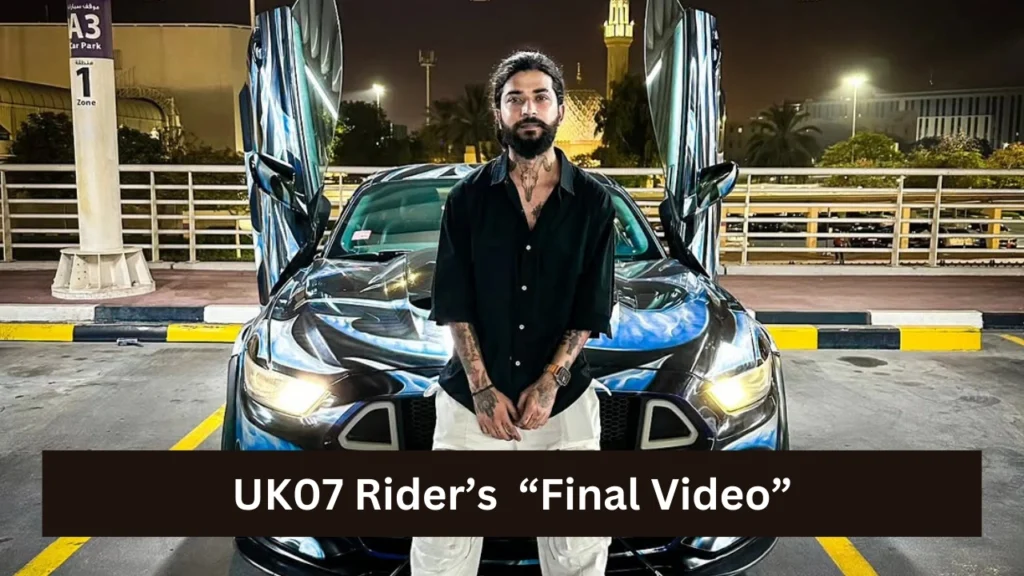
UK07 Rider’s Emotional “Final Video” Ignites a Powerful Conversation About Men’s Mental Health in India.
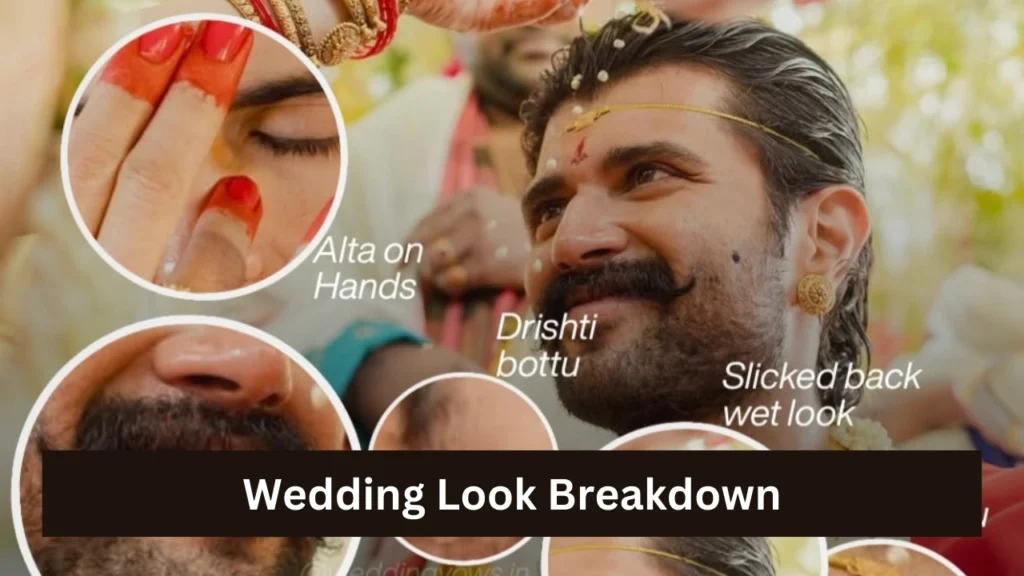
Vijay Deverakonda’s Wedding Look Breakdown: A Regal Tapestry of Heritage, Symbolism, and Power.
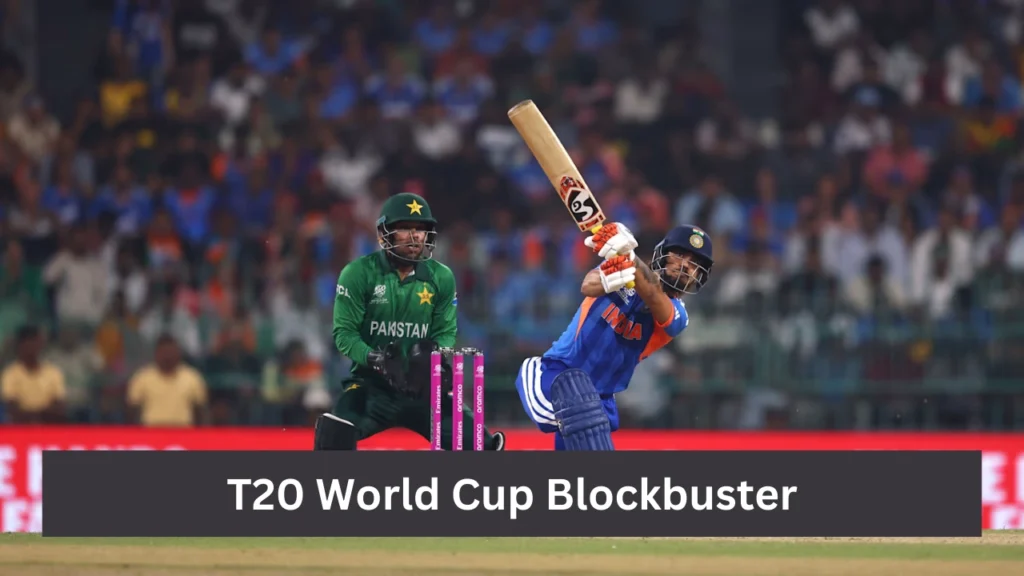
India Crush Pakistan by 61 Runs in T20 World Cup Blockbuster, Storm into Super 8s.
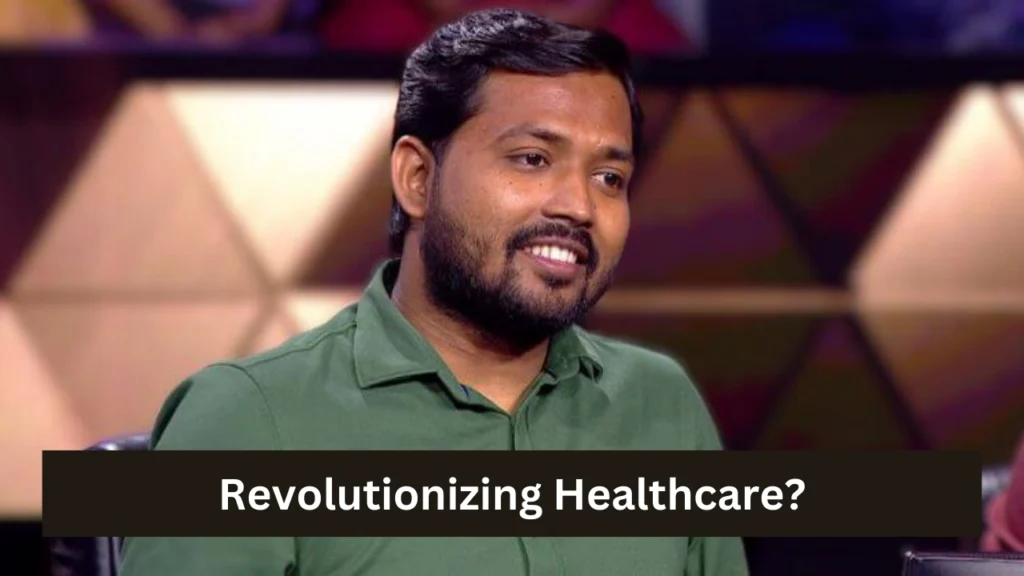
Khan Sir Opens Affordable Hospital in Patna: Revolutionizing Healthcare or Raising New Questions?