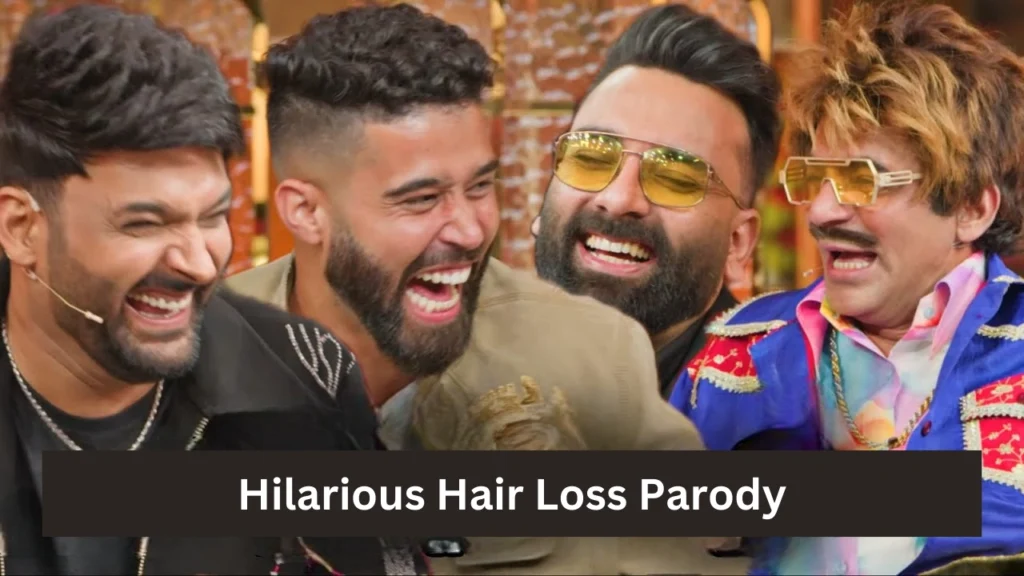
Sunil Grover once again demonstrated why he is regarded as one of the most versatile performers in Indian comedy with his hair-loss parody in Season 4, Episode 8 of The Great Indian Kapil Show. Released on Netflix on February 7, the episode featured Kapil Sharma alongside guests AP Dhillon and Anubhav Singh Bassi, but it was Grover’s musical performance titled “Meriyaan Zulfaan” that emerged as the most memorable segment of the night.
Rather than relying on exaggerated slapstick, Grover’s act leaned into everyday realism. By centering the song around hair fall, an issue that affects a large section of men; he turned a personal insecurity into a shared experience. The parody resonated deeply with viewers because it reflected a truth many men recognize but rarely articulate openly.
Sunil Grover’s “Meriyaan Zulfaan: Hair Loss Parody
A Song That Reflects Denial, Humor, and Acceptance
“Meriyaan Zulfaan” humorously narrates the slow realization of hair loss, touching upon the daily habit of noticing fallen strands while simultaneously refusing to accept baldness. Lyrics such as “10–12 har roz chad’de” struck a chord with audiences because of their familiarity. Grover’s insistence that he is not bald mirrors a mindset many men adopt when dealing with thinning hair, making the performance feel authentic rather than exaggerated.
Why the Humor Felt Relatable Instead of Mocking?
What set this parody apart was its sensitivity. Grover did not mock baldness itself; instead, he highlighted the emotional journey men go through; from denial to forced confidence. His expressions, timing, and body language reflected how men often try to maintain self-assurance despite internal anxiety. This approach allowed viewers to laugh without feeling ridiculed.
Role of Kapil Sharma and the Episode’s Guest Line Up
Kapil Sharma’s Supportive Hosting Style
Kapil Sharma’s role in the skit was crucial. Instead of interrupting or overshadowing the act, he allowed Grover the space to perform, reacting naturally and reinforcing the humor through subtle interjections. This dynamic showcased the strength of their collaboration and explained why Grover’s return to the show continues to add depth to its comedic format.
AP Dhillon and Anubhav Singh Bassi’s Reactions
The presence of AP Dhillon and Anubhav Singh Bassi added another layer of relatability. Their visible amusement emphasized that hair loss concerns are universal, affecting men across professions and public personas. Their reactions also helped normalize the subject, showing that even successful and confident individuals relate to such insecurities.
Audience and Fan Reactions: Why the Skit Went Viral?
Following the episode’s release, social media platforms were flooded with clips and discussions around “Meriyaan Zulfaan.” Fans praised Grover’s mimicry, musical timing, and ability to carry the episode. Many viewers compared the performance favorably to his earlier hit “Lollipop” featuring Priyanka Chopra, noting that while that act thrived on spectacle, this one succeeded through emotional connection and realism.
The general consensus among fans was that Grover’s performance elevated the episode and reaffirmed his importance to the show’s success, particularly in maintaining its popularity after the much-discussed reunion with Kapil Sharma.
Hair Loss and Its Impact on Men’s Daily Lives
Why Hair Loss Is More Than a Cosmetic Issue?
For many men, hair loss goes beyond appearance. It affects confidence, social interactions, dating experiences, and even professional self-image. Despite being common, it is often treated lightly or dismissed, leading many men to internalize stress rather than seek information or help.
Understanding the psychological and emotional effects of hair loss is an important step toward addressing it constructively.
Also Read: Hair Loss: Impact on Daily Life of a Man
10 Practical Steps: Hair Care for Men
1. Focus on Balanced Nutrition
Hair growth begins from within, making nutrition one of the most critical factors in maintaining healthy hair. Hair strands are primarily made of protein, so insufficient protein intake can directly weaken hair structure and slow growth. Along with protein, nutrients such as iron help carry oxygen to hair follicles, zinc supports tissue repair and growth, and biotin plays a role in keratin production. A diet lacking these essentials often reflects first in thinning hair and increased shedding. Including eggs, lean meats, legumes, nuts, seeds, leafy greens, and fruits helps create a nutritional foundation that supports stronger and healthier hair over time.
2. Avoid Overwashing
While cleanliness is important, excessive shampooing can do more harm than good. Washing hair too frequently strips the scalp of its natural oils, which are essential for keeping hair moisturized and protected. When the scalp becomes overly dry, it may respond by producing excess oil or become irritated, both of which can worsen hair fall. For most men, washing the hair two to three times a week with a mild, sulfate-free shampoo is enough to maintain scalp hygiene without disrupting its natural balance.
3. Maintain Scalp Health
The scalp is the base from which hair grows, and its health directly influences hair strength and growth. Regular scalp massages help improve blood circulation, ensuring that hair follicles receive adequate oxygen and nutrients. Over time, this can support follicle function and create a healthier environment for hair growth. Massaging the scalp also helps reduce tension and stress, which indirectly benefits hair health. Even a few minutes a day can make a noticeable difference when practiced consistently.
4. Manage Stress Levels
Chronic stress is a well-known but often overlooked contributor to hair loss. High stress levels increase the production of cortisol, a hormone that can disrupt the natural hair growth cycle and push hair into the shedding phase prematurely. This type of hair loss may not appear immediately but often shows up months after prolonged stress. Managing stress through regular exercise, adequate sleep, mindfulness practices, or hobbies can help stabilize the hair growth cycle and reduce excessive shedding.
5. Be Gentle with Wet Hair
Hair is at its weakest when it is wet, making it more prone to breakage and damage. Rough towel drying, aggressive brushing, or tight hairstyles immediately after washing can weaken hair shafts and lead to unnecessary hair fall. Instead, gently pat the hair dry with a soft towel and use a wide-tooth comb to detangle it slowly. Allowing hair to air-dry whenever possible further reduces stress on the strands.
6. Use Oils Sparingly
Hair oils can be beneficial, but only when used correctly. Lightweight oils such as argan oil, rosemary oil, or diluted castor oil can nourish the scalp, improve moisture retention, and support hair strength. However, excessive oiling or leaving heavy oils on the scalp for long periods can clog follicles and attract dirt, leading to scalp issues. Applying oil in moderation and washing it off properly ensures that the scalp receives nourishment without becoming congested.
7. Treat Dandruff and Irritation Early
Dandruff, itching, redness, and scalp inflammation are signs of an unhealthy scalp environment. When left untreated, these conditions can weaken hair roots and accelerate hair fall. Dandruff often interferes with normal hair growth by causing inflammation around follicles. Using medicated or anti-dandruff shampoos when needed and addressing scalp irritation early can prevent long-term damage and create a healthier foundation for hair growth.
8. Reduce Smoking and Alcohol Intake
Smoking and excessive alcohol consumption negatively affect overall circulation, including blood flow to the scalp. Reduced circulation means hair follicles receive fewer nutrients and less oxygen, weakening hair over time. Smoking also increases oxidative stress in the body, which can damage hair follicles and speed up hair thinning. Reducing or eliminating these habits not only benefits hair health but also improves overall well-being.
9. Seek Professional Advice Early
Many men delay seeking help until hair loss becomes advanced, limiting treatment options. Consulting a dermatologist or hair specialist at the early stages allows for accurate diagnosis and timely intervention. Early professional guidance can help identify whether hair loss is genetic, lifestyle related, or due to an underlying condition. With proper treatment and care, progression can often be slowed significantly, and in some cases, partially reversed.
10. Stay Consistent with Hair Care
Hair care is not a one-time effort or a quick fix. Hair growth follows a natural cycle, and visible results often take several months. Switching products frequently, skipping routines, or expecting instant results can lead to frustration and inconsistency. Sticking to a well-planned routine, maintaining healthy habits, and giving treatments enough time to work are essential for long-term improvement in hair strength and density.
Also Read: Hair Types and Common Issues for Men
Final Thoughts
Sunil Grover’s hair-loss parody succeeded because it blended humor with honesty. By addressing a common male concern in a relatable and respectful way, the performance encouraged laughter while subtly promoting awareness. “Meriyaan Zulfaan” stands as an example of how comedy can reflect real life experiences and spark meaningful conversations, proving once again why Grover remains one of the most influential figures on Indian television today.
What’s Trending!
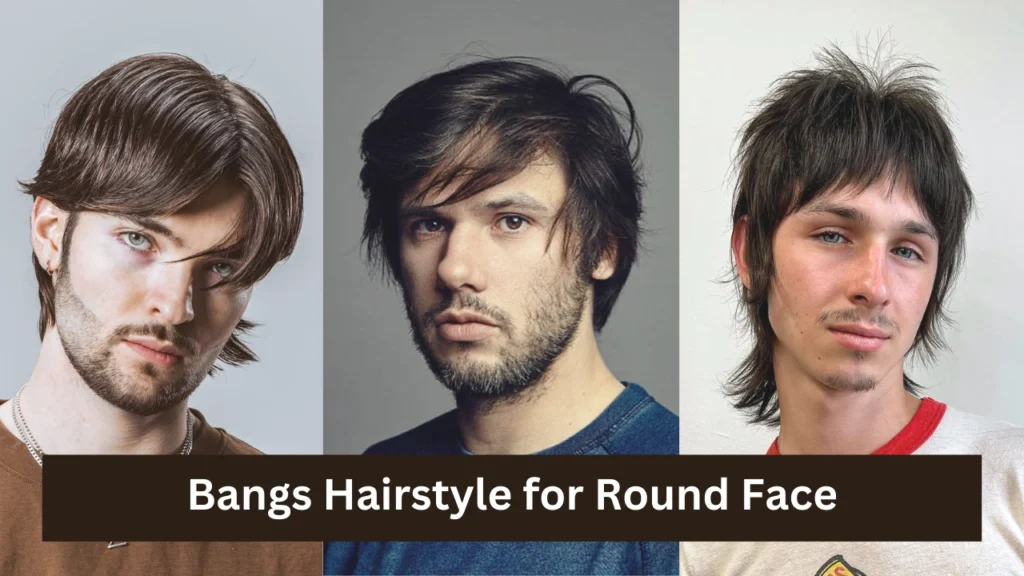
15 Trending Bangs Hairstyle for Round Face to Look Slim for Men That Actually Work.
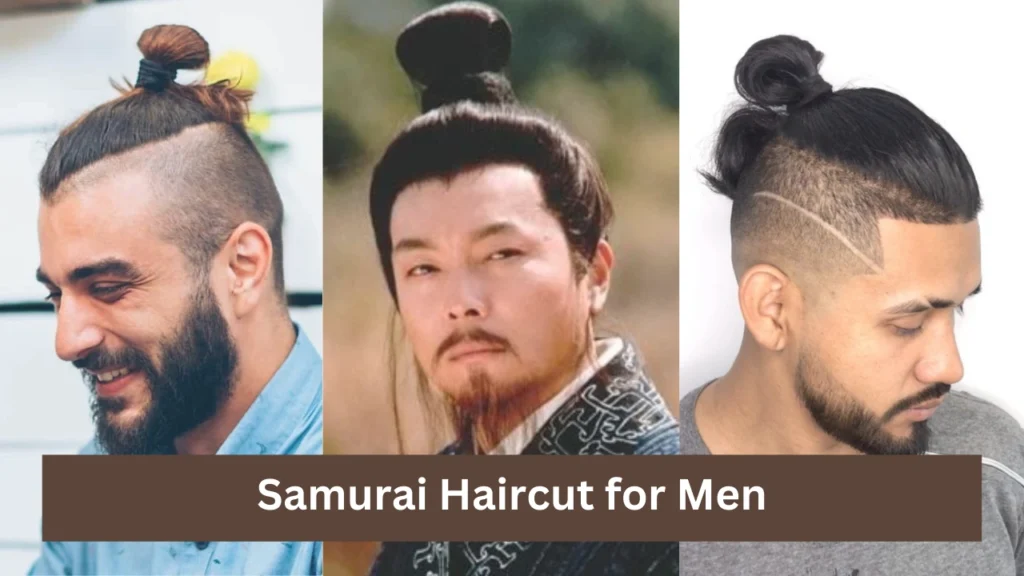
Bold 15 Samurai Haircuts for Men: Warrior Level Hairstyles for Alpha Personalities.
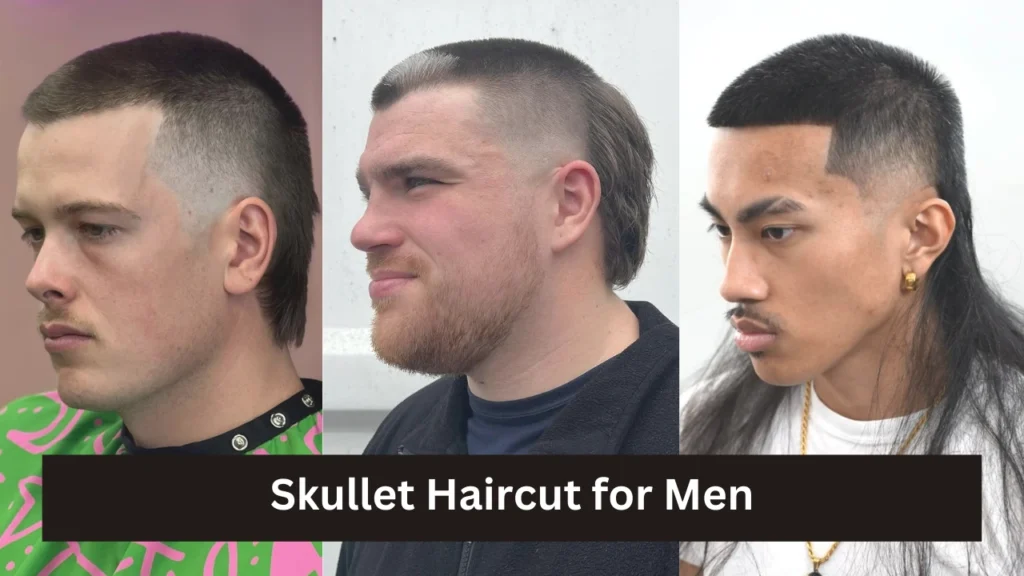
15 Skullet Haircut for Men Inspired by Rock, Punk and Street Culture.
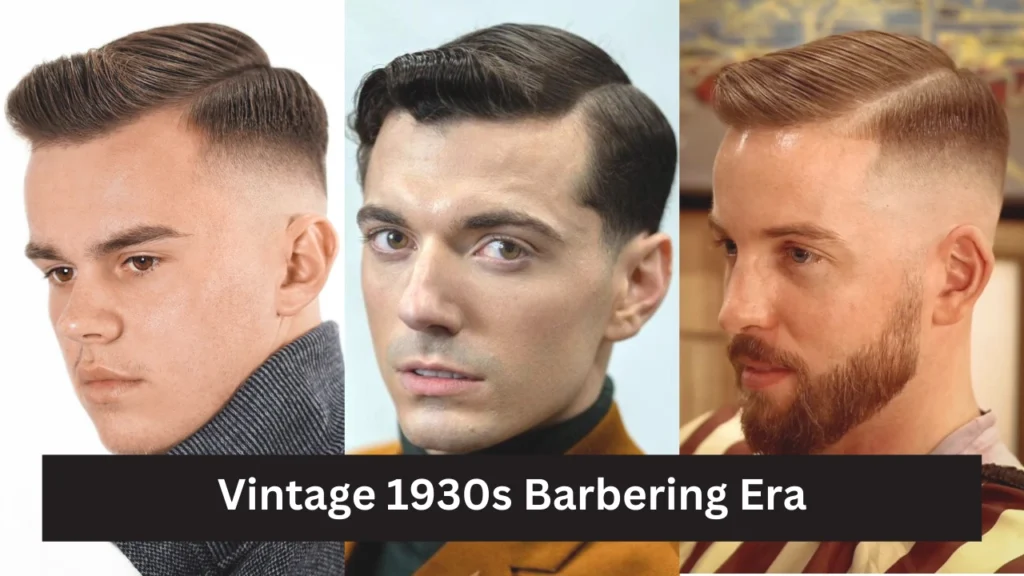
Vintage 1930s Barbering Comes Alive: Ultimate Retro Hair Revival for Modern Men.
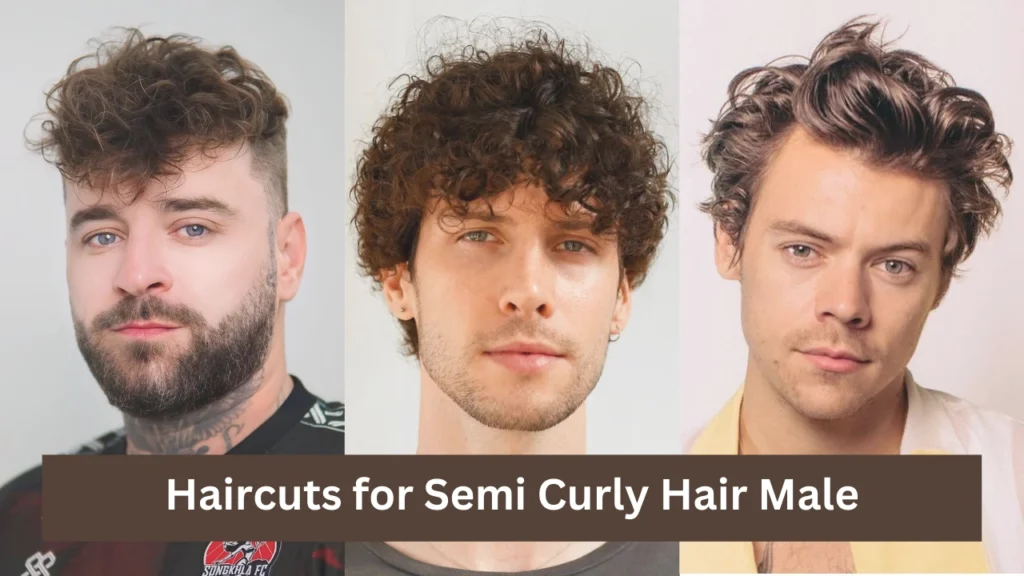
15 Haircuts for Semi Curly Hair Male: Celebrity Inspiration 2026.