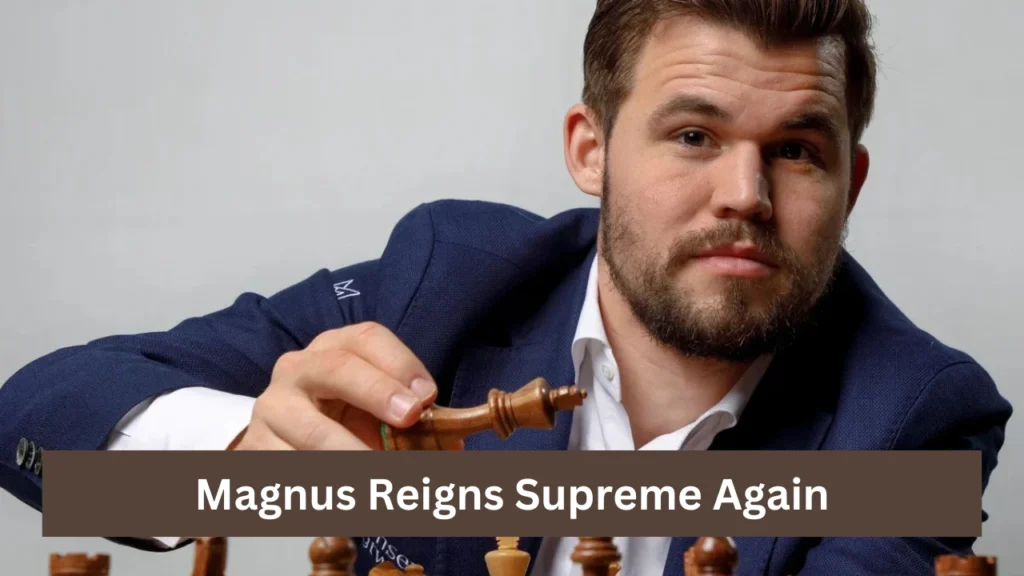
Magnus Carlsen Reigns Supreme Again
When the clocks are ticking faster and the margin for error shrinks to almost nothing, only the mentally toughest survive. In Doha, Qatar, Magnus Carlsen once again proved that speed does not rattle him; it empowers him. The Norwegian superstar captured his sixth FIDE World Rapid Chess Championship title, delivering a performance that blended experience, intuition, and cold-blooded execution.
With 10.5 points from 13 games, Carlsen finished a clear one point ahead of Vladislav Artemiev, underlining not just his superiority but his consistency across a grueling, high-pressure event. In a field stacked with elite grandmasters from every corner of the world, Carlsen didn’t just win; he controlled the narrative.
King of Rapid: Why Magnus Carlsen Is Different?
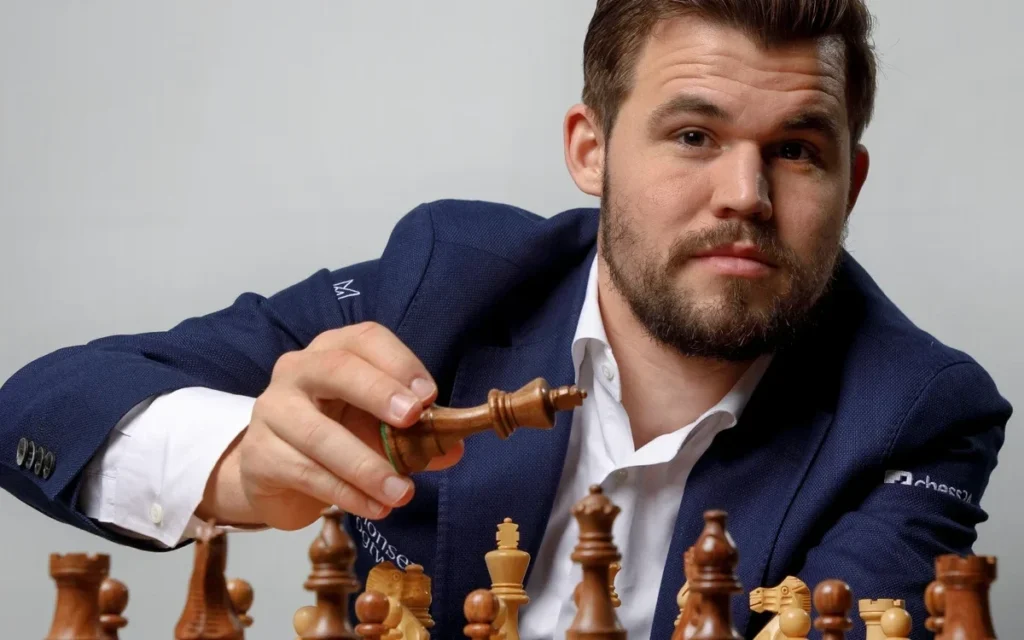
Rapid chess is often described as chaos disguised as structure. Players must calculate deeply while racing against the clock, relying as much on instinct as preparation. This format exposes hesitation, insecurity, and emotional cracks. Magnus Carlsen has none of those.
What separates Carlsen from the rest is his decision-making speed without panic. He doesn’t rush; he flows. While others struggle to balance risk and safety, Carlsen makes complex positions look manageable, even simple. His endgame technique remains unmatched, and his ability to squeeze wins from “equal” positions continues to frustrate opponents.
This sixth rapid title didn’t come from flashy sacrifices or reckless aggression. It came from discipline, psychological pressure, and an unshakable belief in his own understanding of the game. Carlsen plays opponents, not just positions; and more often than not, they blink first.
A Tournament of Nerves, Not Just Moves
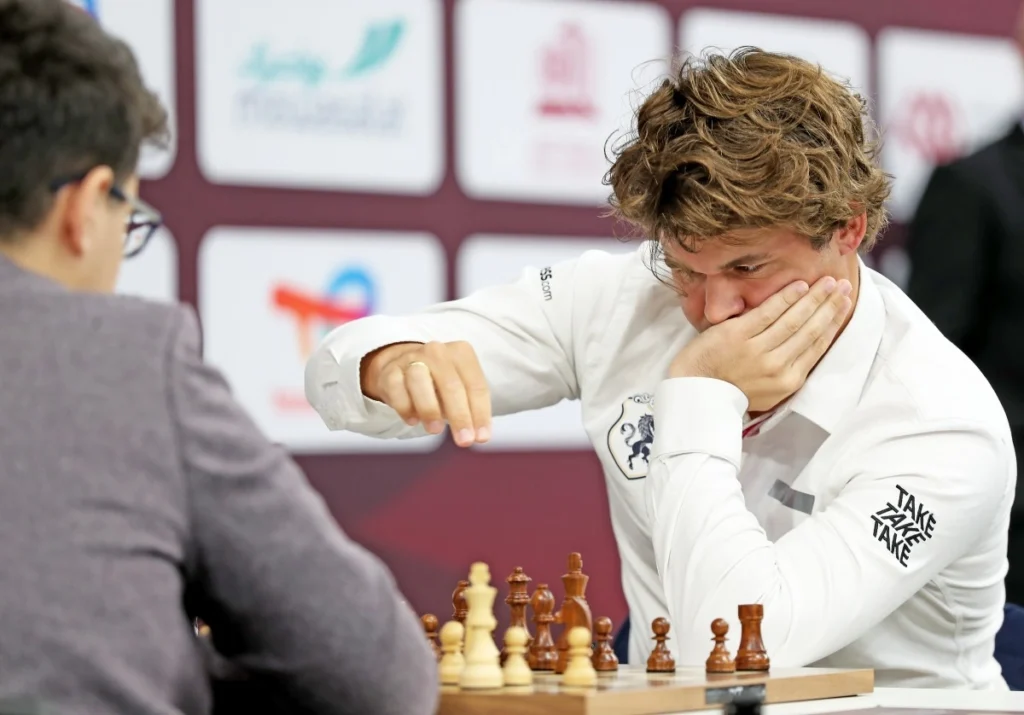
The Doha championship was unforgiving. Every round demanded total focus. One slip could send a player tumbling down the standings. Yet Carlsen navigated the field with the calm assurance of a man who has been here many times before.
Vladislav Artemiev pushed hard and earned a deserved silver medal, but even at his best, he couldn’t bridge the gap. Carlsen’s ability to avoid losses while capitalizing ruthlessly on small inaccuracies made the difference. It’s a hallmark of champions; knowing when not to lose is just as important as knowing when to attack.
India’s Historic Double Bronze: A Chess Powerhouse Rising
Beyond Carlsen’s triumph, Doha will be remembered as a breakthrough moment for Indian chess.
Arjun Erigaisi: A Star Steps Onto the World Stage
Arjun Erigaisi’s bronze medal in the open section marked his first World Rapid Championship medal, and it came against a field filled with battle-hardened veterans. His fearless play, confidence in sharp positions, and refusal to be intimidated signaled something important: India’s new generation is no longer “learning” they’re competing and winning.
Koneru Humpy: Grit Without Defeat
In the women’s championship, Koneru Humpy, the defending champion, delivered a remarkable performance. She finished third while remaining undefeated, a rare and impressive achievement at this level. Her bronze medal wasn’t just about results, it was about resilience, precision, and elite-level consistency.
The achievement drew praise from leaders across India, including Prime Minister Narendra Modi, who highlighted the players’ dedication, mental strength, and global impact. This double bronze is not an accident; it’s the product of years of investment, discipline, and hunger.
Magnus Carlsen‘s Career Arc: Beyond Classical Crowns
Magnus Carlsen stepping away from defending the classical world title once sparked debate. Was his dominance fading? Did he lack motivation?
Doha answered that question emphatically.
Carlsen’s focus has shifted; not away from winning, but toward formats that reward pure chess skill without politics or preparation overload. Rapid and blitz strip the game down to its essence. And in that raw environment, Carlsen still stands tallest.
Six World Rapid titles across different eras, different challengers, and different generations speak louder than any single classical crown. He has reinvented himself without losing his edge, a rare feat in any sport.
Eyes on the Blitz: The Story Isn’t Over
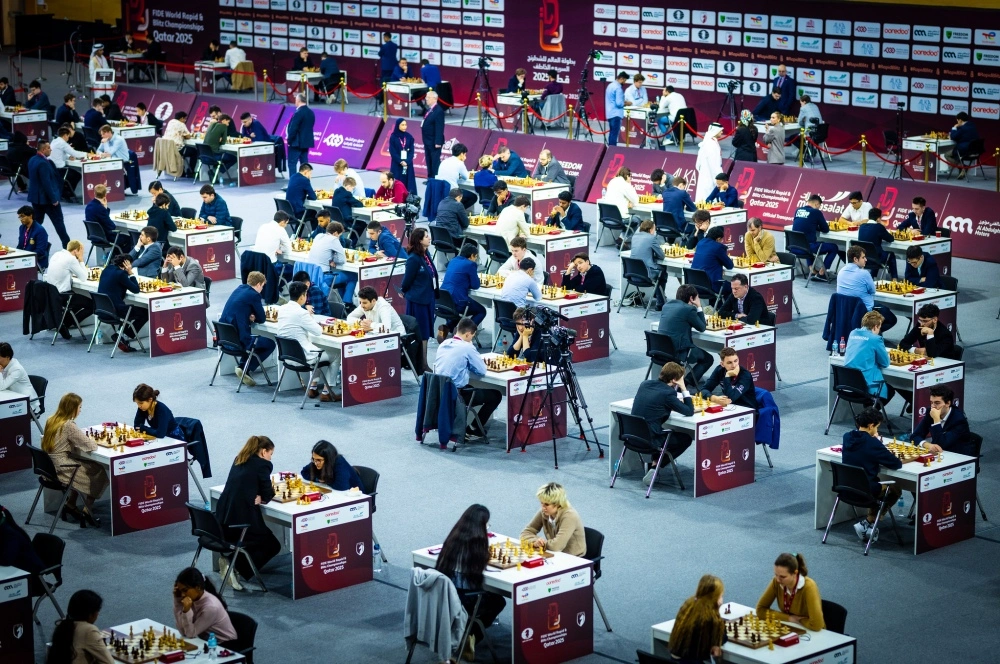
The championships don’t end with rapid chess. The World Blitz Championships run through December 30, and Magnus Carlsen enters them as one of the clear favorites.
Blitz chess is faster, more brutal, and more instinct-driven; and that plays directly into Magnus Carlsen’s strengths. Momentum matters, and right now, no one has more of it. Fans around the world are watching closely, knowing that another chapter of history could be written before the year ends.
Why This Win Resonates Beyond Chess?
This victory isn’t just about titles, it’s about longevity, adaptability, and mental dominance. In an age where young prodigies rise quickly and fade just as fast, Magnus Carlsen has remained relevant, dangerous, and motivated.
Chess today is faster, more global, and more competitive than ever. And yet, at the top of the mountain, the same name keeps appearing.
Final Thoughts
Magnus Carlsen doesn’t celebrate loudly. He doesn’t need to. His legacy is built on results, not words. The sixth World Rapid title in Doha is another reminder that true greatness doesn’t chase validation; it creates inevitability.
At a time when chess is exploding in popularity and new stars are emerging from every continent, Magnus Carlsen remains the gold standard. Calm, confident, and endlessly competitive, he continues to redefine what dominance looks like in the modern era.
As the blitz battles approach and the chess world holds its breath, one thing is clear: Magnus Carlsen isn’t finished. He’s just getting faster.
Source: FIDE
What’s Trending!
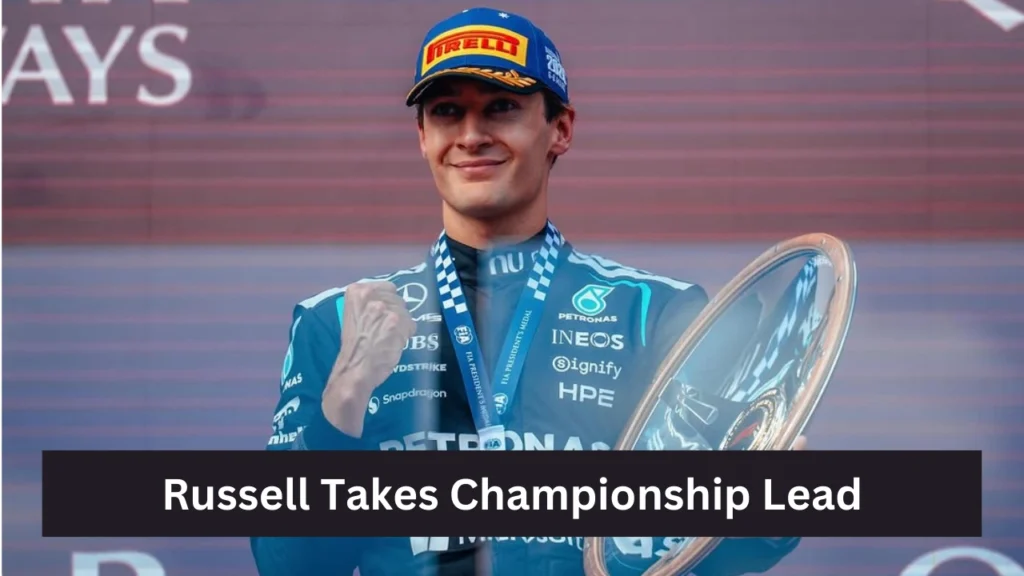
George Russell Wins the 2026 Formula 1 Australian Grand Prix: A Dominant Start to a New Era.
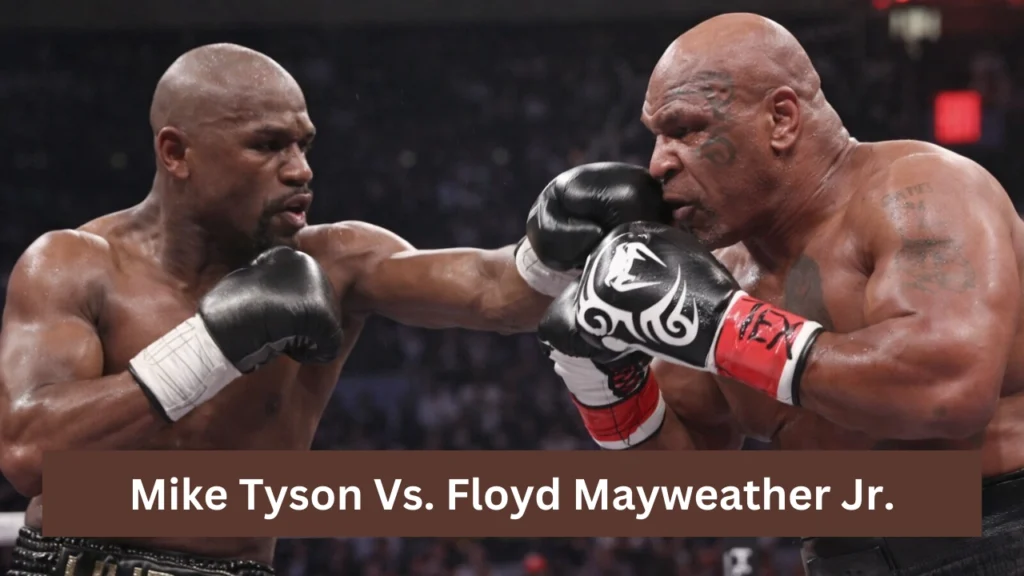
Mike Tyson and Floyd Mayweather Jr. Eye April 25 Congo Showdown: Legendary Clash 2026.

Jung Kook Named Hublot Global Ambassador, Teases 35 Day Countdown to BTS Comeback.

Elon Musk Smashes Global Wealth Record With $800B Net Worth And It’s Bigger Than You Think.
Kendrick Lamar Makes History at the 2026 Grammys, Cementing His Legacy as Rap’s GOAT