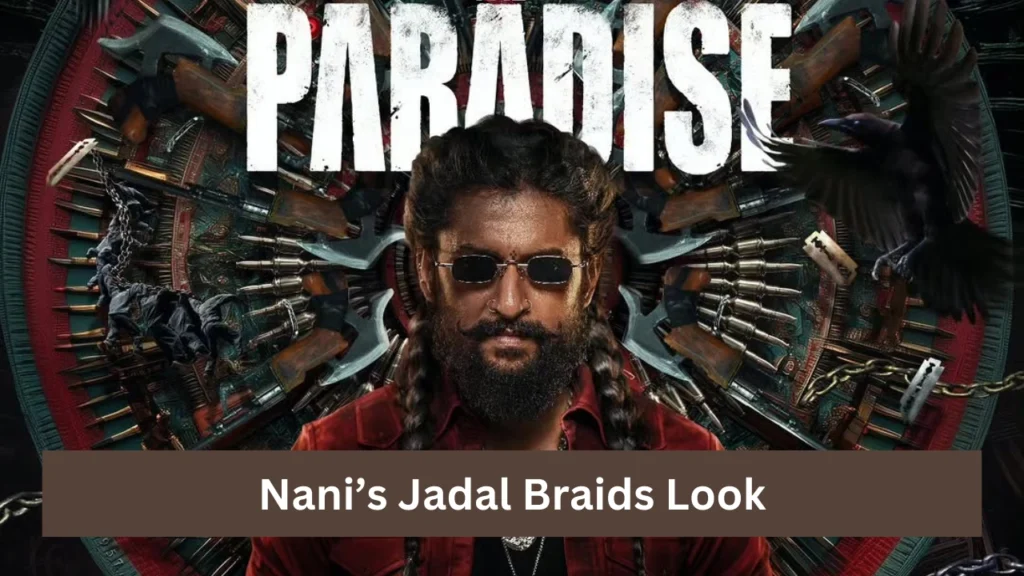
Nani’s Jadal Braids Look
In an era where male stars are often boxed into predictable visual templates; trimmed beard, styled fade, rugged but “safe” styling, Nani has chosen disruption. When Nani steps into the role of Jadal in The Paradise, the transformation is more than cinematic styling, it is a cultural moment. Known for his natural performances and relatable characters, Nani has rarely leaned into extreme visual experimentation. Yet Jadal presents him in braids, adorned with a nose pin, layered with metallic accents, and styled with a raw, almost tribal intensity. This is arguably his boldest look yet, and it signals something important about where masculine aesthetics are heading in Indian cinema.
The look does not feel like a gimmick. It feels intentional. Every detail; from the tight braids to the carefully chosen facial jewelry, appears rooted in character psychology rather than surface-level styling. For male audiences, this matters. When transformation is purposeful, it commands respect.
Power of Visual Reinvention
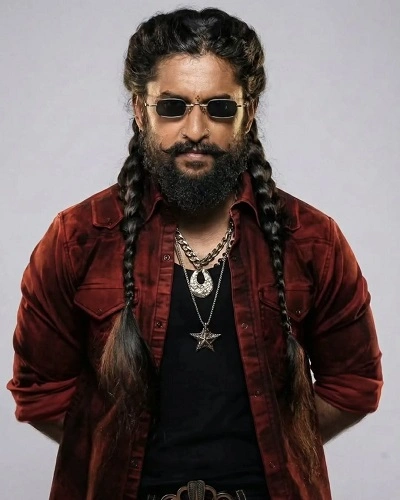
Nani has long been known as the “Natural Star,” often embodying relatable, grounded characters. His previous roles leaned into emotional authenticity and boy-next-door realism. But Jadal is different. Jadal is primal. Jadal is confrontational. Jadal doesn’t seek approval.
The braids are not decorative.
The nose pins are not ornamental.
The styling is storytelling.
In cinema, physical transformation signals psychological depth. When an actor changes hair, body language, posture, and accessories, he is telling the audience: this man lives by different rules.
And that’s exactly what makes this look so powerful for male audiences.
Nose Pins on Men
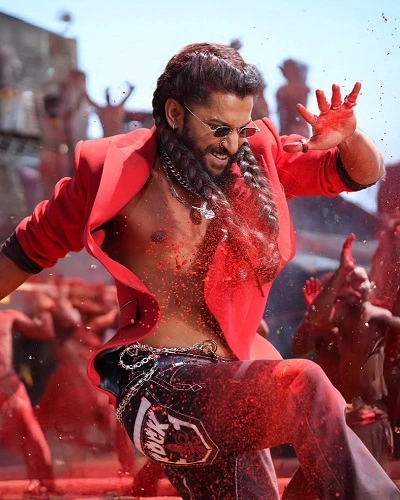
Let’s address the most debated element of Jadal’s look; the nose pin worn by Nani in The Paradise.
In modern urban India, nose piercings on men are often labeled feminine. But historically, that assumption does not hold. Across several South Asian tribal communities, as well as certain Middle Eastern and African warrior cultures, men wore nose ornaments as symbols of bravery, initiation, spiritual belief, and social rank. These were not fashion statements; they were markers of identity and strength.
Seen in that light, Jadal’s nose pin is not rebellion against masculinity, it is a reclamation of older masculinity. It reconnects with a time when adornment and power were not seen as opposites.
What makes the look impactful is the confidence with which it is carried. There is no hesitation in the styling. The nose pin does not soften the character; it sharpens his individuality. When a mainstream star like Nani wears it with conviction, it subtly challenges rigid stereotypes.
Strength does not weaken because it is expressive. Masculinity does not diminish because it is adorned. When owned fully, it becomes even more commanding.
Braids for Men
Braids are not random hair styling choices for men. They are structure. They are architecture built into hair.
The braided look worn by Nani as Jadal in The Paradise is not merely aesthetic experimentation. It carries weight and intention.
Historically, braids served practical and symbolic purposes for warriors across cultures. They kept hair away from the face during combat, reduced tangling in physically demanding environments, and allowed fighters to maintain clarity of vision. But beyond functionality, braids often represented clan identity, social rank, and personal discipline. The very act of braiding required patience and order; qualities valued in battle and leadership alike.
From tribal fighters in various indigenous communities to Norse legends popularized in series like Vikings, braids have consistently signified controlled power. They suggest readiness. They imply preparation.
Loose hair can appear wild and untamed. Braided hair, however, looks deliberate. It communicates that strength is not chaotic, it is organized.
Jadal’s braids embody what can be called controlled rebellion. They project fierceness without disorder. They signal intensity without distraction. The message they send is clear: power does not need to be loud to be dominant. It needs to be focused.
Also Read: Braids for Men
Why This Look Resonates With Modern Men?
The modern man is constantly balancing expectations that often feel contradictory. Society asks him to be strong, yet emotionally aware. To care about his appearance, but not appear overly invested in it. To stand out, but not so much that he becomes unfamiliar. To express himself, yet remain within invisible boundaries.
These mixed signals create quiet anxiety. Many men hesitate to explore style, grooming, or self-expression because they fear crossing an unspoken line. The pressure to remain within a safe version of masculinity can feel limiting.
This is where Jadal’s look, portrayed by Nani in The Paradise, becomes culturally significant. The braids and nose pin are not just aesthetic decisions; they cut through that hesitation. The character does not ask for permission to look powerful in a different way. He simply owns it.
The message embedded in that confidence is subtle but clear. You can be intimidating and artistic at the same time. You can remain rooted in strength while experimenting with style. You can challenge outdated norms without losing your identity.
True masculinity is not fragile. It does not shrink when it evolves. When a man embraces expression with certainty, it strengthens his presence rather than weakening it. And that authenticity is deeply attractive; not only to others, but to his own sense of self.
Psychology of Bold Grooming for Men
When a man makes a dramatic change to his appearance; especially something as visible as braids or a nose pin, it creates a psychological shift that goes far beyond aesthetics. Grooming is not just surface-level. It directly influences perception, both external and internal.
When someone adopts a bold hairstyle, people respond differently. They look twice. They become more attentive. The individual wearing it becomes more noticeable in a room. That shift in attention subtly alters social dynamics. It reshapes how others perceive authority, individuality, and confidence.
At the same time, the transformation affects the wearer himself.
A dramatic style forces a man to carry himself differently. He becomes more aware of posture, body language, and expression. He understands that the look is visible and unmistakable. A braid is not invisible. A nose pin is not subtle. They are deliberate signals. Because of that visibility, they demand presence.
Wearing them requires ownership. It requires composure. It requires the quiet confidence to stand in one’s choices without apology.
That is why bold grooming often transforms personality along with appearance. When a man commits to a look that challenges norms, he strengthens his sense of identity. He becomes more self-aware, more intentional, and often more assured.
In the case of Jadal, portrayed by Nani in The Paradise, the braids and nose pin are not passive decorations. They reshape the character’s physical presence. They demand upright posture, focused energy, and emotional steadiness.
And that is the real power of bold grooming. It is not about ornamentation. It is about transformation.
5 Braids Every Man Should Consider
If the powerful screen presence of Jadal, portrayed by Nani in The Paradise, sparked your interest in braids, the good news is that braided styles are not just cinematic statements. They can be adapted to real life; whether you’re a creative professional, an athlete, or someone simply looking to evolve your grooming identity. The key is choosing the right braid for your hair type, lifestyle, and comfort level.
Below are five braid styles that balance masculinity, structure, and practicality; along with clear parameters to help you decide.
1. Single Warrior Braids for Men
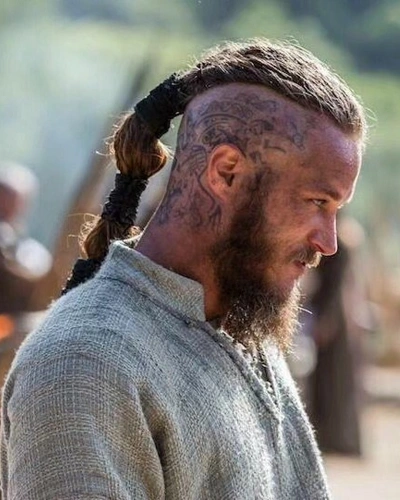
A single braid running down the back of the head is clean, strong, and unmistakably intentional. It keeps the overall look minimal while still adding edge. This style works particularly well when combined with an undercut or a low fade, which sharpens the contrast and keeps the braid visually dominant.
Best for: Medium to long straight or wavy hair
Works well with: Undercut or low fade
Maintenance level: Low
This is the gateway braid for most men. It signals individuality without overwhelming your appearance. Ideal for those who want controlled boldness in professional or semi-formal environments.
2. Viking Braids for Men
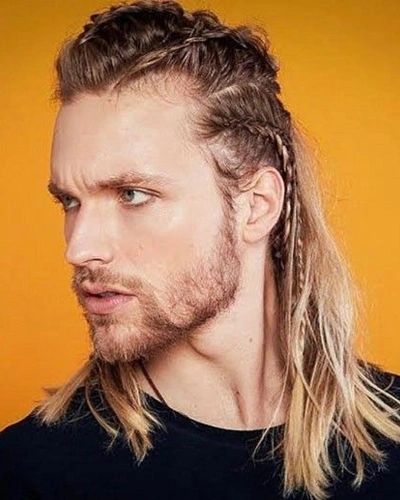
Popularized visually by Vikings, this style features two or three braids along one side of the head, with the remaining hair either tied back or left flowing. The asymmetry creates dynamic structure while maintaining rugged appeal.
Best for: Thick, medium-to-long hair
Look: Two or three tight braids on one side, rest tied back
Energy: Dominant and battle-ready
Pairing this style with a beard amplifies its impact. It strikes a balance between controlled structure and raw intensity, making it perfect for men comfortable with standing out.
3. Cornrows for Men
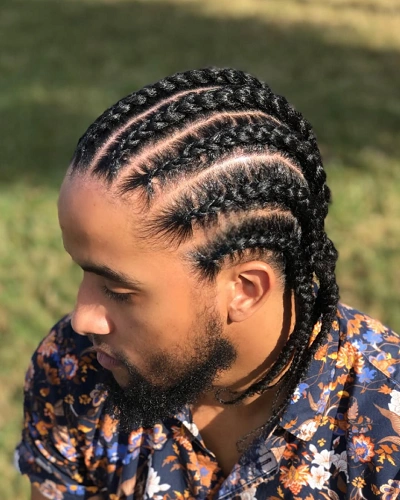
Cornrows are tight braids woven close to the scalp in straight lines or geometric patterns. Beyond style, they serve a protective function by reducing hair breakage and managing textured hair efficiently.
Best for: Curly or textured hair
Benefits: Protective styling and athletic functionality
Vibe: Sharp and disciplined
Cornrows require consistent care, including scalp hydration and professional installation. When maintained well, they project precision and strength.
4. Two Strand Twists for Men
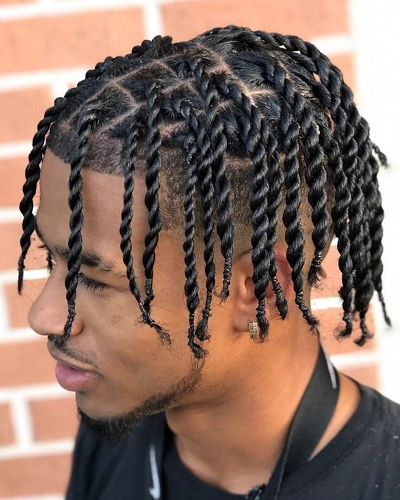
For those who prefer a softer introduction to braided styles, two-strand twists provide shape without extreme tightness. They offer texture and volume while remaining relatively easy to undo.
Best for: Medium-length textured hair
Look: Modern and urban
Commitment level: Moderate
Twists are versatile enough for casual and creative environments. They are expressive without being overpowering, making them ideal for first-time experimentation.
Also Read: Twist Hairstyles For Men
5. Tribal Multi Braids for Men (Jadal Inspired)
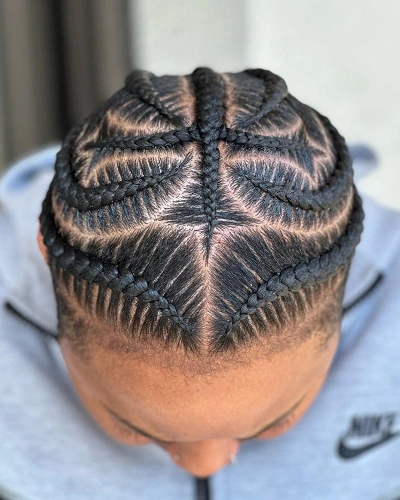
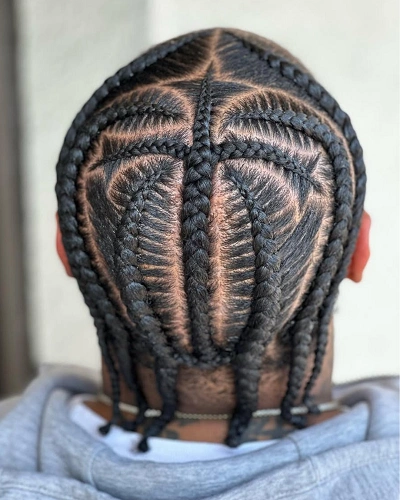
This is the boldest option and closest to the layered aesthetic seen in The Paradise. It combines multiple thin braids with sections of loose hair, creating depth and movement.
Best for: Long hair
Styling tip: Add subtle metal cuffs or minimal beads
Presence: Wild yet calculated
This style does not aim to blend in. It commands attention and requires confidence to carry. The multi-braid structure communicates intensity, discipline, and individuality all at once.
How to Pull Off a Nose Pin Without Looking Forced?
If you’re considering a nose piercing inspired by Nani in The Paradise, the key is strategy and balance. A nose pin should feel intentional; not experimental for the sake of attention.
Here’s how to approach it smartly:
Start with: A small matte silver or black stud
Avoid initially: Oversized hoops or flashy designs
Facial hair balance: Keep beard or stubble well-groomed and defined
Haircut alignment: Pair with a clean fade, sharp trim, or structured long hair
Overall vibe: Minimal, confident, controlled
Most importantly, do not apologize for it. Confidence is what makes the piercing look natural rather than forced. When your posture, grooming, and attitude align, the nose pin becomes an extension of your identity; not a costume.
Grooming as Self Construction
One of the most overlooked aspects of bold styling is its psychological impact. Changing one’s hair dramatically alters perception. It influences posture, eye contact, and even speech patterns. A man who adopts braids or a piercing must carry himself with greater presence.
Growing hair long enough to braid requires patience. Maintaining it requires discipline. Wearing a visible accessory demands confidence. These processes cultivate self-awareness.
Jadal’s look is powerful not simply because of aesthetics, but because it reflects commitment.
Cultural Evolution in Indian Cinema
Indian cinema has historically shaped fashion trends. Hairstyles and facial hair patterns popularized on screen often translate into everyday life. When Nani embraces a visually daring transformation in The Paradise, he expands what audiences perceive as acceptable for male leads.
Over time, that expansion influences society. Younger generations become more open to experimenting with their own identities. The ripple effect extends beyond film into everyday self-expression.
Deeper Message for Men
The transformation seen in Jadal, portrayed by Nani in The Paradise, carries a message that goes far beyond styling. Beneath the braids and the nose pin lies something more important; a redefinition of how men perceive strength.
Here is what that evolution ultimately teaches:
Core truth: Masculinity is not fragile.
It does not collapse under: Jewelry or adornment
It does not weaken under: Braids or unconventional grooming
It does not dissolve when: Aesthetics evolve
Real masculinity expands rather than contracts. It adapts without losing its foundation. When a man is secure in who he is, expression becomes creative instead of defensive. Style becomes exploration instead of validation.
External changes do not threaten identity, they reveal it. Confidence allows room for individuality. And when strength is rooted internally, aesthetic shifts only amplify presence rather than diminish it.
Should You Try It?
The bold transformation seen on screen in The Paradise, through the character played by Nani, naturally raises a personal question: should you experiment with something similar?
Before answering, pause and reflect.
Ask yourself:
Have you been growing your hair out but hesitating to style it boldly?
Have you considered a piercing but held back because of perception?
Have you felt confined by “safe” grooming rules that no longer reflect who you are?
If these questions resonate, that hesitation might be less about style and more about permission. Many men wait for a cultural signal that it is acceptable to evolve their appearance. Sometimes seeing someone confidently step outside the norm becomes that signal.
This is not about copying Jadal’s exact look. It is about exploring your own edge. It is about testing where confidence meets curiosity. Grooming is one of the few aspects of identity you can consciously reshape. When done intentionally, it becomes an act of self-definition rather than imitation.
Trying something new does not mean abandoning who you are. It means expanding it.
Final Thoughts
Ultimately, Jadal’s aesthetic underscores a broader truth: masculinity is not confined to a single visual template. It evolves with culture while remaining rooted in strength and self-assurance.
Braids can symbolize order and heritage.
A nose pin can symbolize courage and identity.
Layered styling can symbolize individuality.
None of these elements negate power. Instead, they redefine it.
By stepping into Jadal’s bold visual identity, Nani contributes to an ongoing conversation about what men are allowed to look like; and how confidently they can inhabit that space. As The Paradise reaches audiences, its impact may extend beyond storytelling into shaping the next chapter of masculine style.
What’s Trending!

New 10 Long Fade Haircuts for Men: Styles & Trends.
Long Fade Haircuts for Men The long fade haircut is an excellent choice for men…
15 Haircuts for Semi Curly Hair Male: Celebrity Inspiration 2026.
12 Hottest Wavy Hairstyles for Men: Stylish Looks to Try This Year.
20 Trendiest Mid Taper Fade Black Male Haircuts This Season.
New 15 Short Fade Haircuts for Men: Sleek & Striking.