

For more than a decade, Arijit Singh wasn’t just a singer; he was an emotional constant. Through breakups, solo road trips, gym cooldowns, late-night thoughts, and quiet victories, his voice became the background score of modern Indian masculinity: vulnerable, intense, restrained, and honest.
Now, that era is officially slowing down.
On Tuesday, the 39-year-old singer announced that he will no longer accept new Bollywood playback singing assignments, marking one of the most significant shifts in the Hindi film music industry in years. While he will complete all previously committed projects through 2026, Arijit has made it clear: the conveyor belt of Bollywood playback is no longer where his heart; or curiosity – lies.
And the reason he gave might be the most Arijit Singh thing ever.
“I Get Bored Easily” And Why That Matters

In an industry where artists often cling to relevance until it slips away, Arijit’s explanation stood out for its honesty. He described his Bollywood journey as “wonderful,” but admitted that repetition bores him and that he thrives on novelty. More importantly, he expressed excitement about new voices entering Bollywood, signaling a rare lack of insecurity in a field built on competition.
This isn’t a retreat fueled by fatigue or controversy. It’s a conscious pivot by someone who knows he has nothing left to prove.
That confidence is earned.
The Numbers Don’t Lie: Arijit’s Unmatched Reign
Let’s talk legacy because Arijit’s numbers are absurd.
- Over 300 songs across Hindi and regional cinema
- Eight Filmfare Awards
- India’s most-streamed artist for seven consecutive years
- A voice that defined the sonic identity of Bollywood from the early 2010s to the streaming era
Very few singers in Indian music history have dominated the charts, awards, and public sentiment this consistently. Even fewer have done it without scandals, aggressive self-promotion, or manufactured mystique.
Arijit’s brand was always the opposite: low-key, almost reluctant fame, with the music doing all the talking.
The Soundtrack of Modern Men
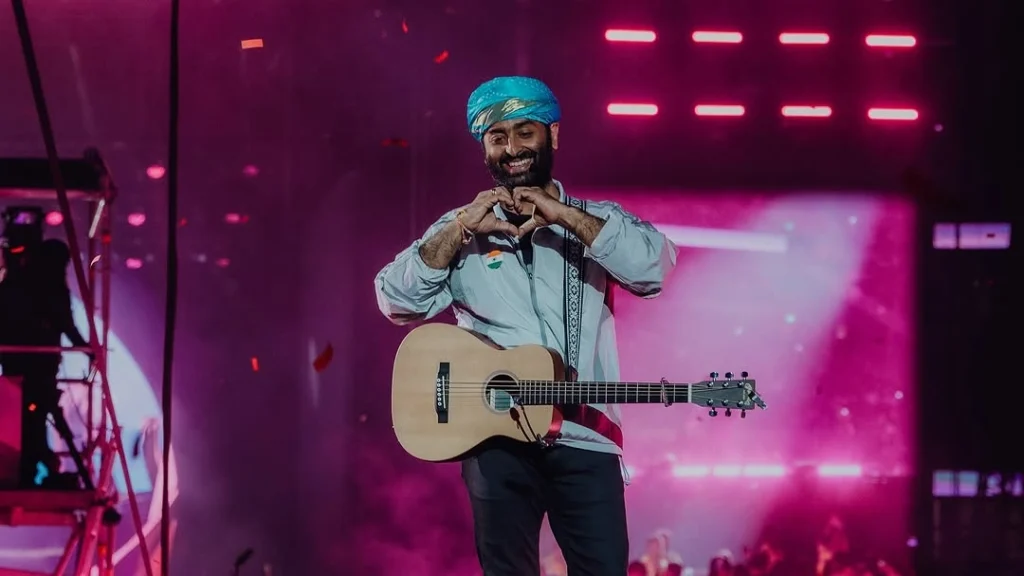
For men especially, Arijit Singh filled a space that Bollywood music hadn’t fully occupied before him.
He made vulnerability masculine again.
Songs like Tum Hi Ho, Channa Mereya, Phir Le Aaya Dil, and Agar Tum Saath Ho weren’t just love songs; they were emotional release valves. They allowed men to sit with heartbreak without posturing, to feel deeply without explanation.
In a culture where men are often told to “move on” quickly, Arijit’s music lingered. It stayed with you. It didn’t rush healing; it accompanied it.
That’s why this announcement hit harder than a typical career update. It feels personal.
Social Media Reacts: Mourning Meets Gratitude
As news of his decision spread, social media flooded with clips; live performances, raw studio recordings, acoustic versions from small venues, and montages spanning his entire career.
The reaction wasn’t outrage. It was collective nostalgia.
Fans weren’t angry. They were reflective. Grateful. A little heartbroken, yes; but mostly respectful of a man choosing growth over inertia.
That reaction itself says a lot about the relationship Arijit built with his audience. He never overexposed himself, and as a result, people never got tired of him.
Why Bollywood Will Feel the Absence

Bollywood playback singing today is hyper-competitive and algorithm-driven. Voices trend fast, fade faster, and are often interchangeable.
Arijit was the exception.
He didn’t just sing songs; he elevated average compositions into emotional experiences. A mid-tempo melody could become iconic simply because his voice carried it. Directors trusted him. Music composers leaned on him. Audiences searched for his name before pressing play.
His stepping away creates a vacuum; not because there aren’t talented singers, but because there are few with his emotional credibility.
What’s Next: Independence, Classical Roots, and Creative Control
Post-Bollywood, Arijit plans to focus on independent music and Indian classical traditions; a direction that feels like a return to first principles.
This move aligns with everything we know about him:
- His preference for artistic depth over celebrity
- His comfort performing in small venues despite stadium-level popularity
- His long-standing respect for classical training and musical discipline
Independent projects mean no cinematic constraints, no narrative requirements, and no obligation to chase trends. Just sound, structure, and sincerity.
For listeners, especially men who’ve grown alongside his music, this phase could be even more rewarding. Less spectacle. More substance.
Walking Away at the Peak Is a Power Move
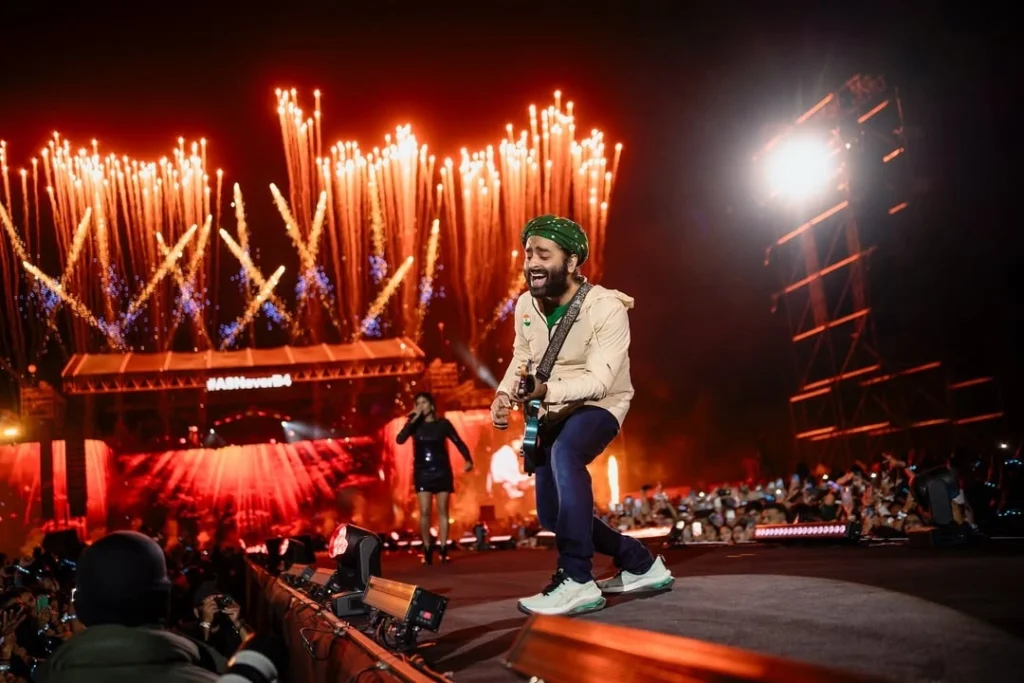
In sports, we praise athletes who retire before decline. In business, we admire leaders who step aside to reinvent. In music, that kind of timing is rare.
Arijit Singh didn’t wait for diminishing returns. He didn’t let the industry move on from him. He chose to move forward.
That’s not quitting; that’s control.
Bigger Picture: A Shift in Bollywood Music Culture
Arijit’s decision also signals something larger. Bollywood music is changing, and artists are no longer bound to films for relevance. Streaming platforms, live tours, and independent releases offer freedom that playback singing never fully could.
By stepping away, Arijit legitimizes that path for other singers; especially those who don’t want to spend decades voicing someone else’s emotions onscreen.
Final Thoughts
Arijit Singh stepping away from Bollywood playback singing feels emotional because his voice has been intertwined with so many personal memories. But this isn’t silence; it’s recalibration.
Bollywood will move on. New voices will rise.
But Arijit’s voice won’t fade; it will simply exist on a different plane.
And for the men who grew up with his music echoing through their headphones during life’s quietest moments, that’s not something you lose.
It’s something you carry forward.
Source: The Week, India Today
What’s Trending!

From Australia to India: Ryan Williams Shines on India Debut: Meet the New No.10 Star.
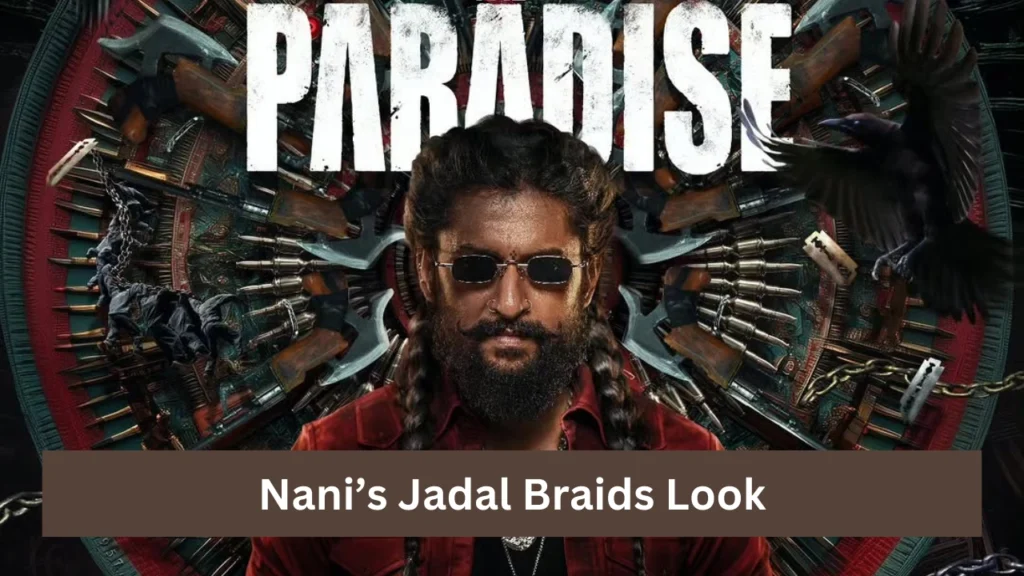
How Nani’s Jadal Braids Look in The Paradise Redefines Modern Masculinity in 2026: Boldness & Bravery?

India Crushes New Zealand by 96 Runs for Record Third T20 World Cup Title.
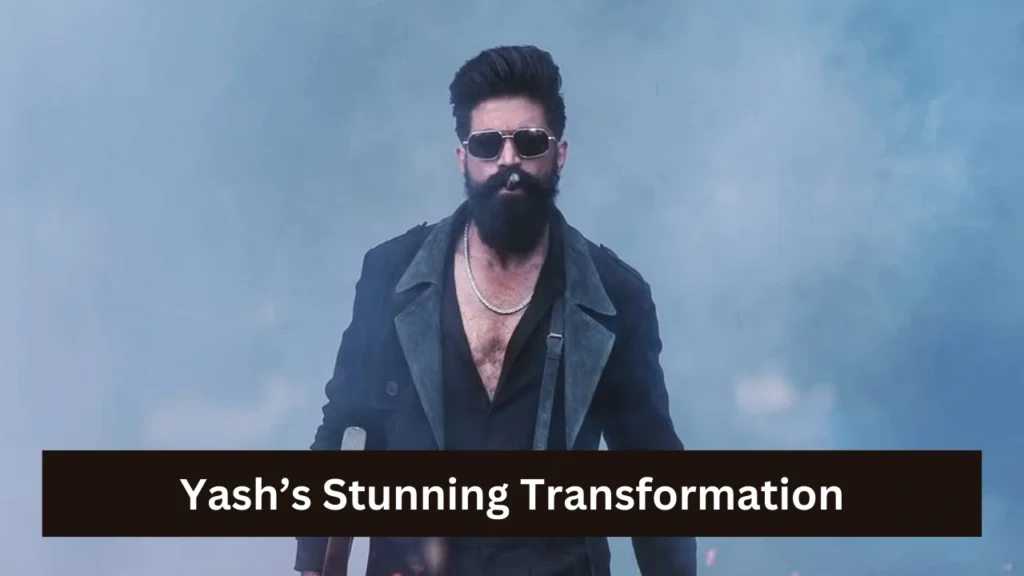
Decoding Yash’s Stunning Transformation: From Rugged Raya to Dashing Young Ticket in Toxic.

UK07 Rider’s Emotional “Final Video” Ignites a Powerful Conversation About Men’s Mental Health in India.