Blackheads and whiteheads are among the most frustrating and persistent skin concerns men struggle with. They affect teenagers going through puberty, young adults navigating stress and busy lifestyles, and even older men who thought acne becomes a distant memory after college. For many men, these bumps can feel like a constant battle. They reappear without warning, they interfere with shaving, and they can lower self-confidence in social or professional environments.
Although blackheads and whiteheads may seem small compared to cystic acne or severe breakouts, they are rooted in complex skin biology. They emerge from hormonal influences, grooming habits, sweat, pollution, and lifestyle factors. Understanding what triggers them is the first step toward gaining control and achieving clear, smooth skin.
This article explores everything men need to know about blackheads and whiteheads including the science behind them, treatment options that truly work, mistakes that make them worse, daily skincare routines, shaving solutions, dietary influences, psychological effects, and expert-answered FAQs most searched on Google and Reddit.
Let’s dive deep into a problem nearly every man faces; but few fully understand.
What Exactly Are Blackheads and Whiteheads?
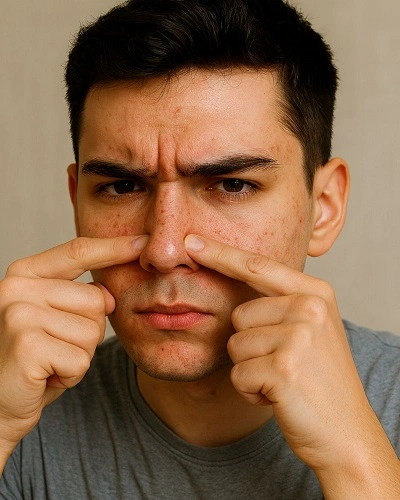
To understand how to fix a problem, we must first understand how it begins. Skin contains thousands of tiny openings called pores. Each pore leads to a hair follicle surrounded by a sebaceous (oil) gland. Sebum, the natural oil produced by the gland, keeps skin hydrated and protected. But when the body produces too much oil, or when dead skin cells accumulate faster than the skin can shed them, the pore becomes blocked.
That blockage forms what dermatologists call a comedone.
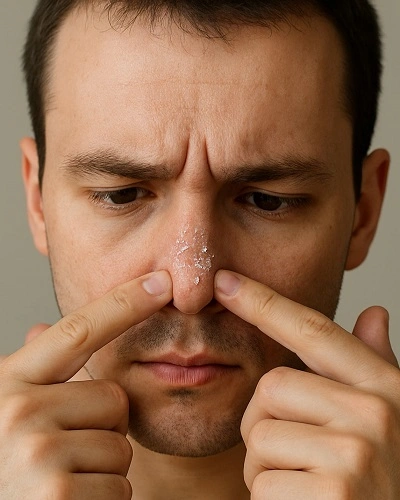
A whitehead, also known as a closed comedo, occurs when the pore remains sealed. Oil and dead cells become trapped beneath the skin’s surface, forming a tiny bump that may look white or simply like a skin-colored dot.
A blackhead, or open comedo, develops when the pore is open at the top. The trapped mixture comes into contact with oxygen in the air. This process “oxidation” turns the debris dark or black. Contrary to popular belief, blackheads are not dirt sitting in the pores, and no amount of aggressive scrubbing will make them disappear.
Both types are painless in most cases, which is why they are easy to ignore. But they still affect skin texture, appearance, and confidence.
Why Men Experience More Blackheads and Whiteheads Than Women?
Male skin is structurally different. Testosterone triggers the sebaceous glands to become larger and more active. This means:
• Men produce significantly more oil
• Pores are wider and deeper, making blockages more visible
• Skin texture is thicker, trapping debris more easily
During teenage years, hormonal surges boost sebum production, making adolescents especially prone to clogged pores. But even after puberty, testosterone continues influencing the male skin barrier. Stress, weightlifting supplements, sleep disruption, and aging hormones can all reactivate sebaceous activity throughout adulthood.
Men also sweat more, particularly on the face, back, and chest. Sweat mixes with oil and bacteria, creating a greasy film that clogs pores if not removed properly. Additionally, environmental exposure such as city pollution, dusty workplaces, or helmets and hats pressed against the skin; dramatically contributes to pore congestion.
Then there’s the beard. Facial hair traps bacteria and oil. Shaving causes friction and small cuts, allowing irritation or infection to develop around hair follicles. Many men deal with shaving-related white bumps without realizing that shaving itself or, more specifically, poor shaving habits is a major cause.
Throw in the fact that a large percentage of men have historically used bar soap or plain water for skincare, and the perfect storm is created: oily skin, clogged pores, and stubborn comedones.
Also Read: Men with Oily Skin
Where Blackheads and Whiteheads Appear on Men?

Blackheads and whiteheads form wherever oil glands are active, but some locations are far more common:
• The nose – highest concentration of sebaceous glands
• The forehead and chin – the “T-zone”
• The beard area – ingrown hairs and shaving irritation
• The back and shoulders – sweat, sports, friction
• The chest – hormonally influenced oil glands
Each location reveals clues about habits and skin behavior. For example, blackheads on the forehead are often related to hair products or hat straps, while those on the shoulders may indicate gym-related sweat rubbing under athletic gear.
Emotional and Social Impact: Skin Shame in Men
Men rarely talk openly about their insecurities; especially skin-related concerns. Yet Reddit forums and Google search trends reveal millions of men searching privately for solutions.
Blackheads on the nose can feel humiliating in close-up selfies. Small white bumps around the lips may irritate the skin every time a razor touches them. Texture issues become more visible under strong lighting or in video calls. Many men say clogged pores make them avoid dating, intimacy, or high-definition photography.
Clear skin won’t solve every problem in a man’s life, but it can absolutely support self-confidence. Good grooming is not vanity; it is self-respect.
Science of Treating Blackheads and Whiteheads in Men
Because blackheads and whiteheads begin as blocked pores, the best treatments behave like maintenance for the pore system.
1. Daily Cleansing
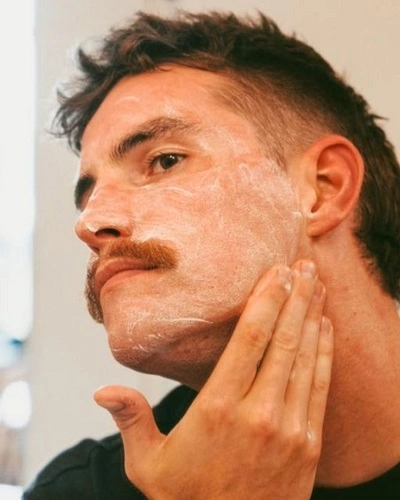
Men should wash their face twice daily with a facial cleanser formulated for oily or combination skin. Gel and foam cleansers are ideal because they lift excess oil without suffocating the skin barrier. Salicylic acid (BHA) is particularly effective because it penetrates directly into pores, dissolving oil buildup from the inside.
2. Chemical Exfoliation
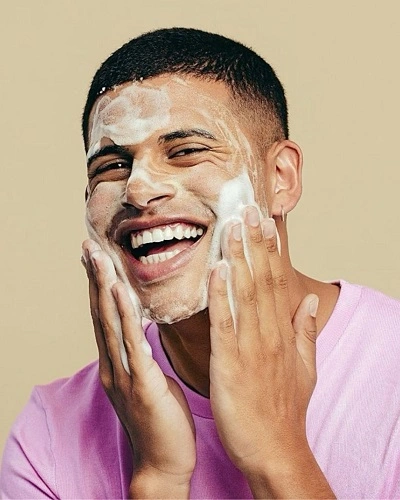
Dead skin cells naturally shed, but sometimes they require a gentle push. Chemical exfoliants like salicylic acid and glycolic acid help prevent buildup without the harsh friction of scrubbing. Over-scrubbing can physically damage the skin and cause inflammation, leading to more acne.
Weekly exfoliation helps keep pores open and reduces the chance of recurring blockages.
3. Retinoids
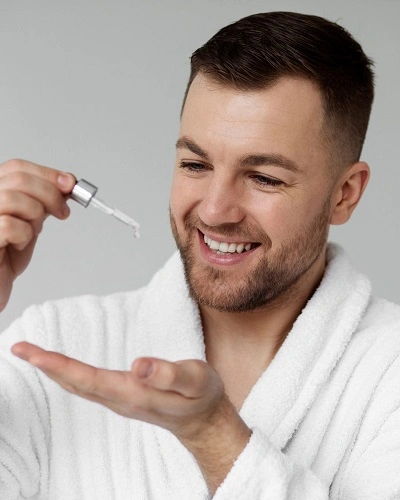
One of the greatest breakthroughs in dermatology has been retinoids, especially adapalene. Retinoids increase cellular turnover, essentially pushing out clogged debris while preventing future buildup. Over time, they refine pores and improve texture, making the skin look healthier and smoother.
4. Moisturizing
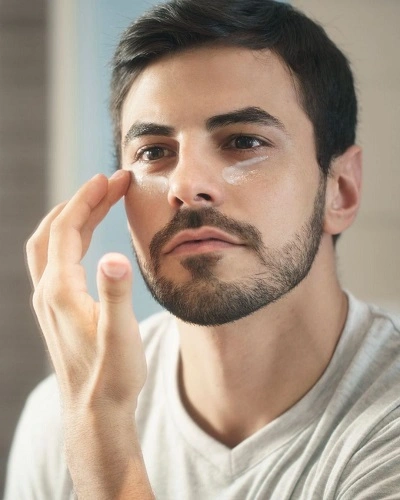
Many men believe oily skin does not need moisturizer. However, when moisture is lacking, the skin overcompensates by producing more oil. A lightweight, oil-free moisturizer keeps the skin surface balanced and strengthens the protective barrier.
5. Sun Protection
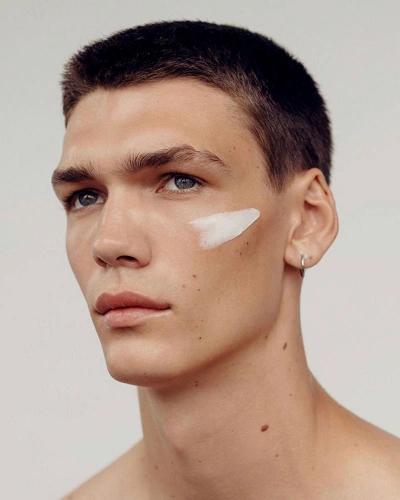
Sunscreen may seem unrelated to clogged pores, but ultraviolet damage causes skin to thicken, which leads to more blockages. It also darkens post-acne marks, making blemishes more noticeable. A simple non-comedogenic SPF 30 daily can drastically improve long-term skin clarity.
Consistency is the key. No routine works overnight. But with disciplined daily care, visible improvements begin in a matter of weeks.
Shaving Techniques That Improve, Not Worsen, Skin
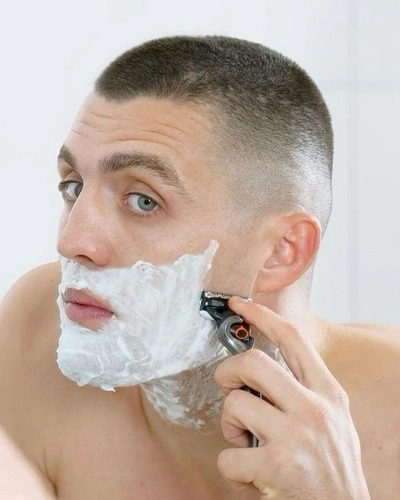
Rushing through a shave is a top contributor to whitehead formation. Shaving removes not just hair but also protective skin cells. This can leave follicles exposed and vulnerable.
Proper technique can turn shaving into acne prevention:
- Wash the face first with warm water to soften hairs.
- Use a lubricating shaving gel rather than a harsh foam.
- Shave in the direction the hair grows to reduce irritation.
- Rinse the blade after every few strokes.
- Replace disposable razors regularly to avoid bacteria buildup.
- Apply a non-alcohol soothing gel afterward.
Men who keep beards should treat their beard hair like the hair on their head; washing daily, conditioning occasionally, and exfoliating the skin beneath to prevent clogged follicles.
Diet, Hydration, and Lifestyle: How Habits Affect Your Pores?

Research continues to connect dietary choices with sebum production and acne risk; particularly high-glycemic foods such as sugary snacks, boxed cereals, and soft drinks. These items cause insulin spikes that stimulate oil glands. Dairy, especially skim milk, has also shown a link to acne in multiple studies, likely due to hormones present in milk.
Whey protein supplements; popular among men working out; are frequently reported on Reddit as triggers for back and shoulder acne. Many men who switch to plant-based protein notice improvement within a month.
Chronic stress raises cortisol levels, which influence oil glands. Lack of sleep weakens the skin’s ability to heal blockage and irritation. Dehydration thickens sebum, making blockages more likely.
Healthy skin is supported by the entire body. The more balanced the lifestyle, the smoother the complexion.
Seasonal Skin Behavior and How to Adapt?

Many men notice their skin changes dramatically from summer to winter.
During summer, heat and humidity increase sweat production. Sunscreens and hats may add occlusion. Showering right after exercise is essential to prevent oil buildup sitting in pores. Lightweight gel moisturizers help during warm months to avoid overloading the skin.
In winter, cold air and indoor heating remove moisture from the skin, causing oil glands to work harder. Switching to a slightly richer yet non-comedogenic moisturizer prevents both dryness and excess oil production.
Matching skincare to season is not optional; it is necessary.
When Do Men Need Professional Dermatology Care?
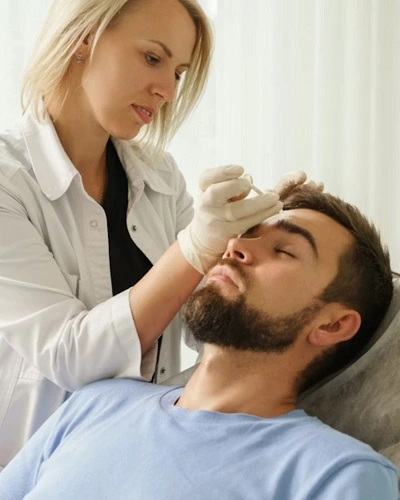
Sometimes clogged pores escalate into inflamed pimples or deeper cysts. If blackheads and whiteheads remain resistant to routine changes, a dermatologist offers options such as:
• Prescription retinoids
• Chemical peels
• Microdermabrasion
• Extraction procedures
• Light and laser therapies
• Medication for hormonal or bacterial causes
Professional help is especially important if breakouts lead to scarring or dark marks, as early intervention prevents permanent skin damage.
Most Searched Questions: Expert Answers
Men everywhere have similar questions. These are the most frequently searched and asked online.
1. Why are my nose pores always dark?
The nose produces the most oil. Even after removal, pores refill because oil production never stops. Long-term management keeps pores looking cleaner.
2. Do pore strips work?
They remove the top layer of debris but leave deeper clogging intact. Useful for immediate grooming; not for long-term improvement.
3. Is popping blackheads okay if they are visible?
It may feel satisfying but often causes infection, scars, and larger pores. Gentle extraction should be done only by professionals.
4. Why does sweat cause breakouts?
Sweat itself is harmless. Problems arise when sweat mixes with bacteria, oil, and friction; especially from sports equipment.
5. Why are men with beards more prone to whiteheads?
Beard hair creates a warm, bacteria-friendly environment. Dead skin collects underneath, and shaving increases irritation.
6. How long until a skincare routine shows results?
You must allow at least six to eight weeks for real improvement. Skin changes occur gradually through new cell turnover.
Psychological Advantage of Healthy Skin in Men
Confidence and appearance influence how men perform in the world; from job interviews to first dates. Skincare isn’t about looking perfect. It’s about feeling prepared and comfortable in your own skin. When men take control of something that has bothered them for years, self-esteem often grows along with clarity.
Skincare is not feminine. Skincare is smart. It is hygiene, discipline, and pride in presentation.
Final Thoughts
Blackheads and whiteheads are incredibly common, especially in men. They form due to powerful hormonal influences, active lifestyles, and habits that unintentionally clog pores. But they are also one of the most treatable skin concerns.
Clear skin is a journey. There are no overnight fixes or magic scrubs. The men who succeed are those who remain consistent; cleansing daily, exfoliating wisely, shaving properly, caring for their overall health, and seeking professional help when needed.
Your face is your first impression. Investing in it is investing in yourself.
When men take charge of their skin, they often discover a stronger version of themselves looking back in the mirror.
What’s Trending!
10 Summer Skincare Tips for Men to Avoid Acne Breakouts.

Men with Vitiligo: Causes, Symptoms, Treatment & 10 Common Body Areas Explained.
Microneedling and Spicule Technology: Guide to Youthful, Radiant Skin in 2026.
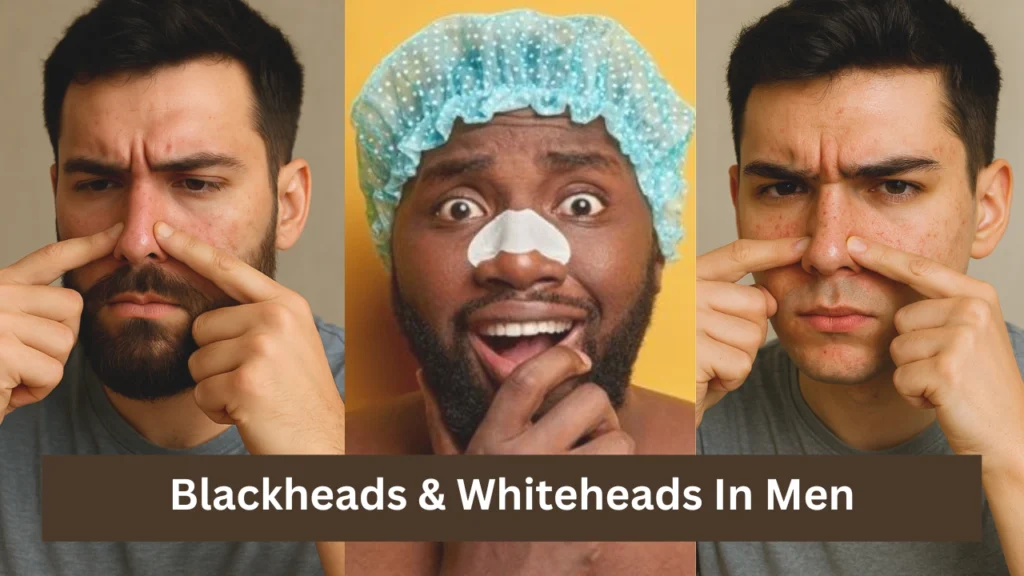
Blackheads and Whiteheads in Men: Simple Steps to Clear Skin in 2025.
5 Hyperpigmentation in Men: Best Effective Home Remedies and Skincare Products.